Nuclear faces its own energy transition
The fuel may appear to be in terminal decline, but it remains the focus of Great Power competition, suggesting it is not dead yet
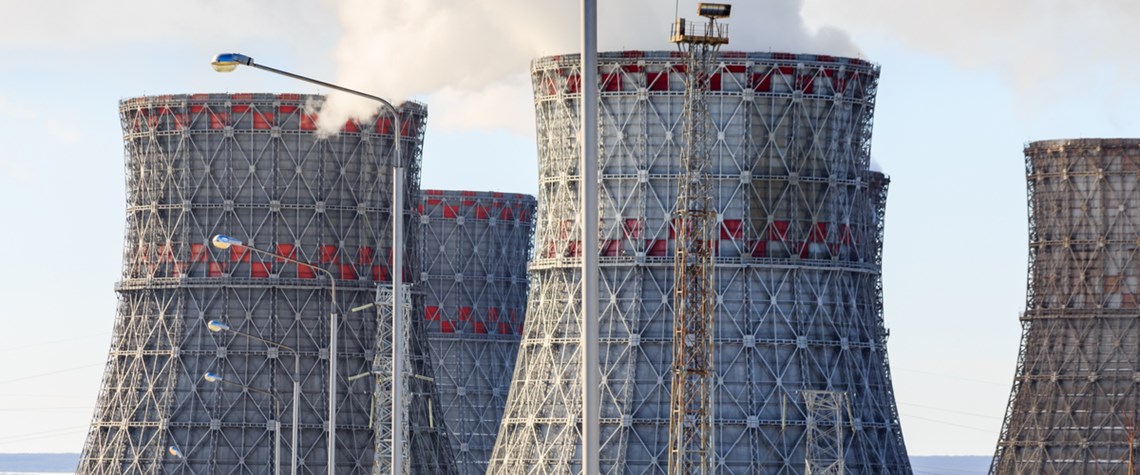
The energy transition is, to distil it to its core, a move to a lower and eventually zero-carbon energy mix. But what might be the role for nuclear power, which is free of CO2 emissions? At first glance, not a lot. Nuclear's popularity with the environmental lobby can be summed up by NGO Greenpeace’s successful campaign to get Germany to ditch it years before there was any momentum for the country to abandon its polluting thermal and brown coal industries. And, while wind and solar costs have fallen precipitously, the new generation of European pressurised reactors (EPRs) have proved an almost 20-year black hole of delays and hair-raising cost escalations. But John Reilly, a prominent energy

Also in this section
9 January 2026
A shift in perspective is needed on the carbon challenge, the success of which will determine the speed and extent of emissions cuts and how industries adapt to the new environment
2 January 2026
This year may be a defining one for carbon capture, utilisation and storage in the US, despite the institutional uncertainty
23 December 2025
Legislative reform in Germany sets the stage for commercial carbon capture and transport at a national level, while the UK has already seen financial close on major CCS clusters
15 December 2025
Net zero is not the problem for the UK’s power system. The real issue is with an outdated market design in desperate need of modernisation