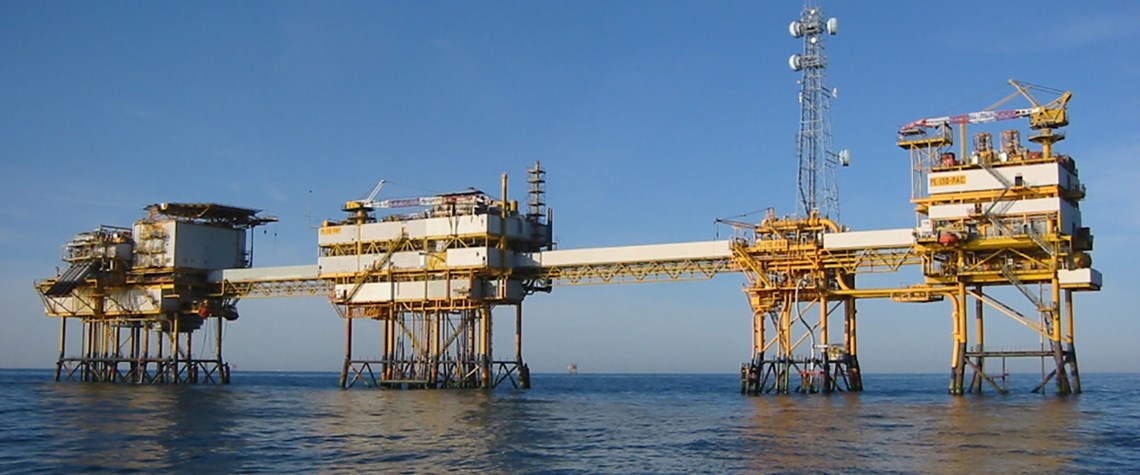
The L10-A field (Source: Neptune)
Neptune sees near-term potential for Dutch CCS
Once the parameters are established, the Netherlands’ offshore gas infrastructure could be capturing material volumes of carbon by mid-decade
The assets and expertise in the Dutch business of UK-headquartered producer Neptune Energy are “well-placed to play a role” in the rapid development of carbon capture and storage (CCS), the firm’s managing director for the Netherlands, Lex de Groot, tells Transition Economist. The firm launched a study last year into the potential for CCS at its L10-A field, which is a major processing hub for numerous fields in the western part of the Dutch North Sea. Producing since 1975, L10-A is very nearly depleted. 100-150mn tCO<sub>2</sub> – CCS potential at L10-A “These facilities and their associated pipelines can be relatively easily used for CO2 storage,” sa

Also in this section
12 March 2026
Role of world’s largest carbon cap-and-trade market under scrutiny as war in Iran threatens to drive EU energy costs to unsustainable levels
10 March 2026
Europe urgently needs to bring more projects to FID, as CCS investors warn they might divert capital to faster-growing regions
9 January 2026
A shift in perspective is needed on the carbon challenge, the success of which will determine the speed and extent of emissions cuts and how industries adapt to the new environment
2 January 2026
This year may be a defining one for carbon capture, utilisation and storage in the US, despite the institutional uncertainty