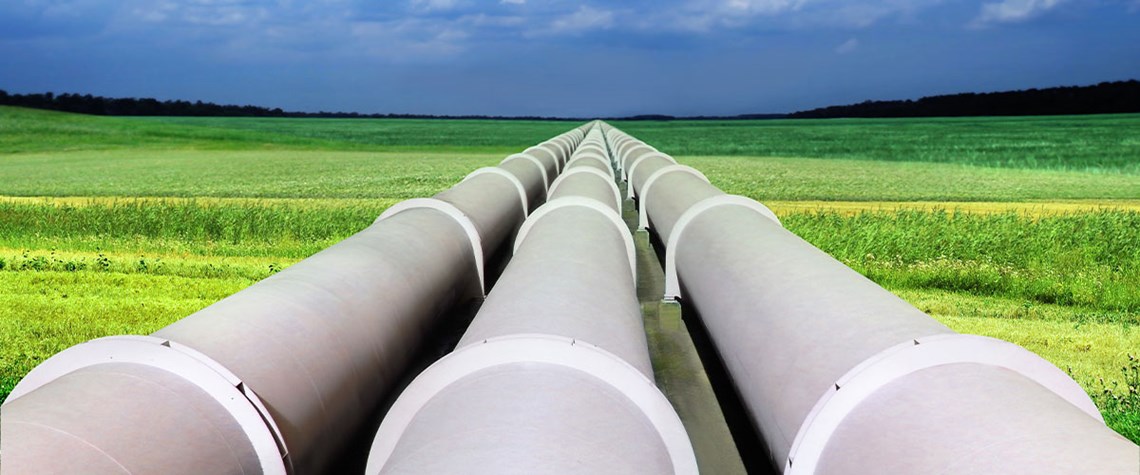
Midwestern projects cross areas of farmland owned by people less experienced with pipeline operations than in other regions
CO₂ pipelines face US woes
Developers are struggling with public perception and local engagement
With growing demand and government incentives to develop more carbon capture and storage (CCS) capacity, some of the biggest US pipeline projects now on the drawing board are designed to transport carbon dioxide from source to storage. But the road to the energy transition is proving to be a bumpy one, as some proposed pipelines that could help address climate change by reducing carbon emissions face similar opposition to those that transport oil and natural gas. Three projects in the Midwestern farming belt may serve as leading indicators of the ability to economically construct major CO₂ pipelines: Midwest Carbon Express, Heartland Greenway and the ADM-Wolf Carbon Solutions project. Pro

Also in this section
12 March 2026
Role of world’s largest carbon cap-and-trade market under scrutiny as war in Iran threatens to drive EU energy costs to unsustainable levels
10 March 2026
Europe urgently needs to bring more projects to FID, as CCS investors warn they might divert capital to faster-growing regions
9 January 2026
A shift in perspective is needed on the carbon challenge, the success of which will determine the speed and extent of emissions cuts and how industries adapt to the new environment
2 January 2026
This year may be a defining one for carbon capture, utilisation and storage in the US, despite the institutional uncertainty