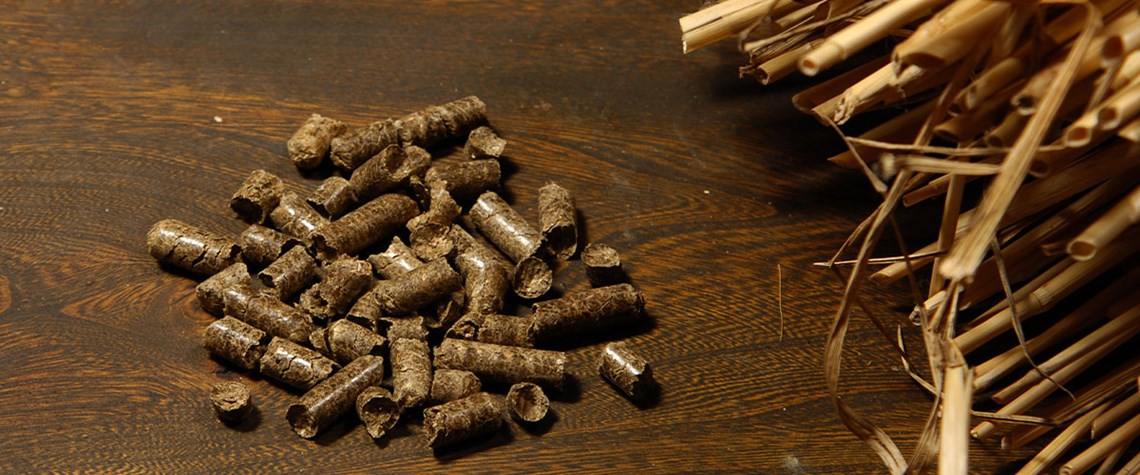
Stiesdal’s technology converts waste biomass from agriculture into biochar and gas
Denmark invests in biomass pyrolysis for carbon removal
Startup aims to store emissions from waste crops as solid biochar
Danish climate technology firm Stiesdal is moving to scale up its Skyclean pyrolysis technology as it eyes opportunities to decarbonise industry, agriculture and transport. The firm has recently secured a DKK124mn ($17.4mn) government grant, which it will use to fund a 20MW project co-located with a bioenergy plant owned by BB Bioenergi in Vra, Denmark. The technology heats waste biomass from agriculture, converting it into inert solid biochar and biogenic gas. The company estimates that for every 40,000t of dry waste biomass, 15,100t of biochar will be produced. Because the CO₂ in the biochar is essentially removed from the atmosphere, the firm says this results in 28,200t of CO₂ emissions

Also in this section
12 March 2026
Role of world’s largest carbon cap-and-trade market under scrutiny as war in Iran threatens to drive EU energy costs to unsustainable levels
10 March 2026
Europe urgently needs to bring more projects to FID, as CCS investors warn they might divert capital to faster-growing regions
9 January 2026
A shift in perspective is needed on the carbon challenge, the success of which will determine the speed and extent of emissions cuts and how industries adapt to the new environment
2 January 2026
This year may be a defining one for carbon capture, utilisation and storage in the US, despite the institutional uncertainty