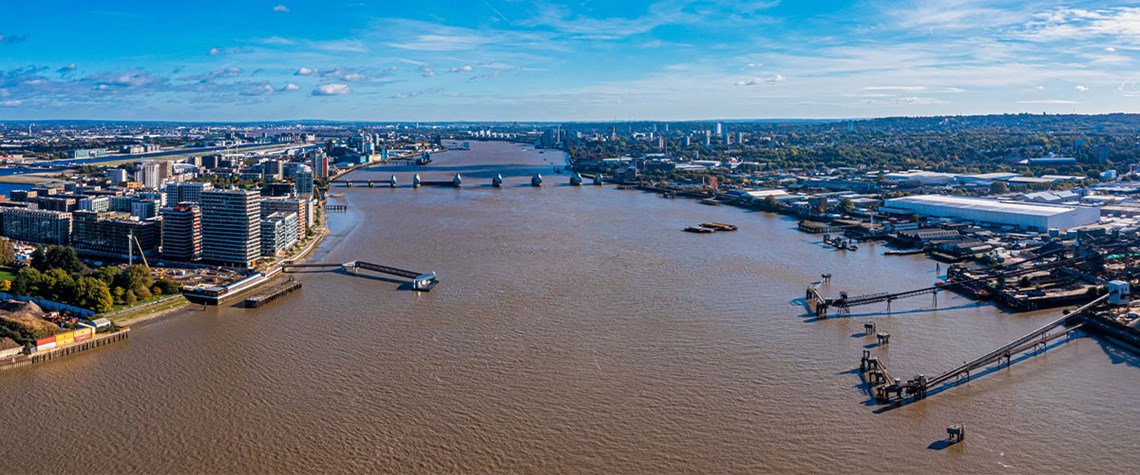
Project will target emitters in the Thames Estuary
Eni wins support for second UK CCS project
Gas distributor Cadent and energy firm SSE Thermal among backers of project to store CO₂ in depleted North Sea gas field off eastern England
The UK arm of Italian IOC Eni aims to start storing carbon dioxide in the depleted Hewett North Sea gas field off England’s east coast in 2027, after securing support for the project from a group of emitters and infrastructure companies. The project is expected to have an initial storage capacity of 6mn t/yr, with the potential to rise to 10mn t/yr, and will take CO₂ from emitters in the southeast of England and the Thames Estuary area near London. The Hewett field, 20 miles off the north Norfolk coast, could potentially store up to 330mn t of CO₂, Eni says. Eni UK applied to the UK regulator North Sea Transition Authority (NSTA) for a CO₂ storage licence in September. It expects to be award

Also in this section
12 March 2026
Role of world’s largest carbon cap-and-trade market under scrutiny as war in Iran threatens to drive EU energy costs to unsustainable levels
10 March 2026
Europe urgently needs to bring more projects to FID, as CCS investors warn they might divert capital to faster-growing regions
9 January 2026
A shift in perspective is needed on the carbon challenge, the success of which will determine the speed and extent of emissions cuts and how industries adapt to the new environment
2 January 2026
This year may be a defining one for carbon capture, utilisation and storage in the US, despite the institutional uncertainty