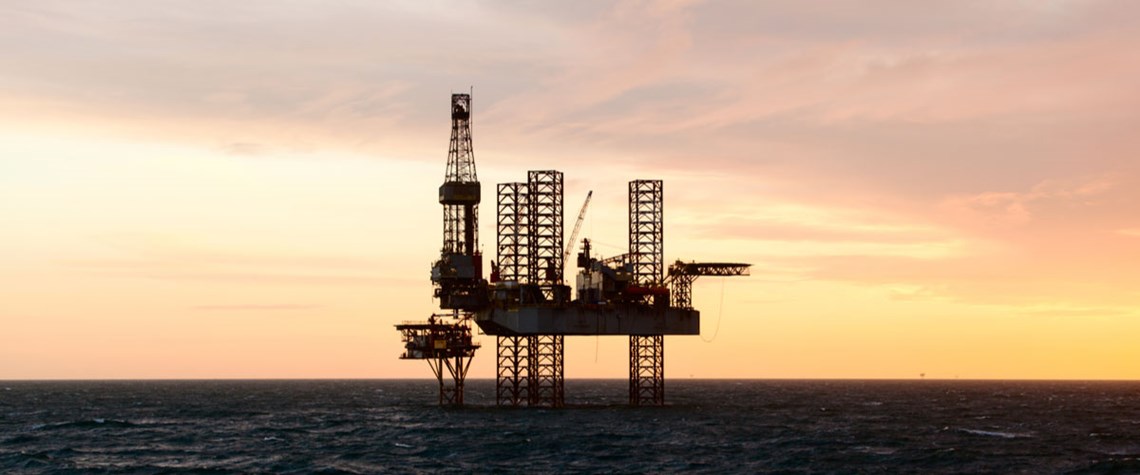
Fossil fuel firms are expected to spend $570bn/yr on new oil and gas assets by 2030
No new oil and gas to meet 1.5°C
Report from IISD says new hydrocarbon investments are not compatible with 1.5°C carbon budgets
The world cannot develop any new oil and gas fields if it is to remain on a pathway to keeping global warming to 1.5°C this century, according to a new report from thinktank the International Institute for Sustainable Development (IISD). The report echoes warnings about stranded assets from other organisations. Last year, the IEA also said the world needed a a moratorium on oil and gas investments to comply with the goals of the Paris Agreement. Global oil and gas production and consumption must decrease by at least 15pc by 2030 and 65pc by 2050 to be stay on the pathway. Production from already operating fields and those under development would generate more oil and gas emissions than wou

Also in this section
12 March 2026
Role of world’s largest carbon cap-and-trade market under scrutiny as war in Iran threatens to drive EU energy costs to unsustainable levels
10 March 2026
Europe urgently needs to bring more projects to FID, as CCS investors warn they might divert capital to faster-growing regions
9 January 2026
A shift in perspective is needed on the carbon challenge, the success of which will determine the speed and extent of emissions cuts and how industries adapt to the new environment
2 January 2026
This year may be a defining one for carbon capture, utilisation and storage in the US, despite the institutional uncertainty