Seaborne trade in CO₂ is emerging
Japanese firms explore carbon exports to Australia
Mitsui OSK Lines and JX Nippon Oil eye shipments to South Australia as cross-border emissions trade routes in Asia-Pacific open up
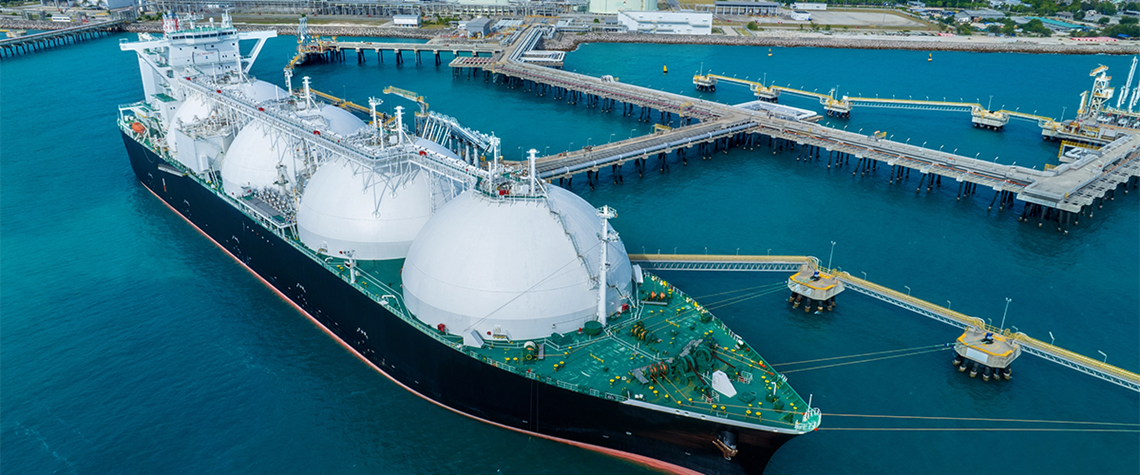
Shipping company Mitsui OSK Lines (MOL) and Japan’s JX Nippon Oil & Gas Exploration have signed a memorandum of understanding to potentially capture CO₂ from industrial emitters in Japan for shipment to storage sites in Australia, creating a cross-border CCS value chain. The agreement focuses on the capture of emissions from refineries and other industrial sites in Japan. Liquid CO₂ would then be transported by carrier to the deepwater Port of Bonython in South Australia for injection into storage. MOL will select a liquefied CO₂ carrier suitable for conditions at ports in Japan and Australia, and define the distance, volume and estimated costs of shipping. JX Nippon will manage the cost

Also in this section
12 March 2026
Role of world’s largest carbon cap-and-trade market under scrutiny as war in Iran threatens to drive EU energy costs to unsustainable levels
10 March 2026
Europe urgently needs to bring more projects to FID, as CCS investors warn they might divert capital to faster-growing regions
9 January 2026
A shift in perspective is needed on the carbon challenge, the success of which will determine the speed and extent of emissions cuts and how industries adapt to the new environment
2 January 2026
This year may be a defining one for carbon capture, utilisation and storage in the US, despite the institutional uncertainty