11 August 2017
The future is supercharged
Electric vehicles are increasingly central to government policy and car manufacturers' plans alike. What does their uptake mean for the energy sector?
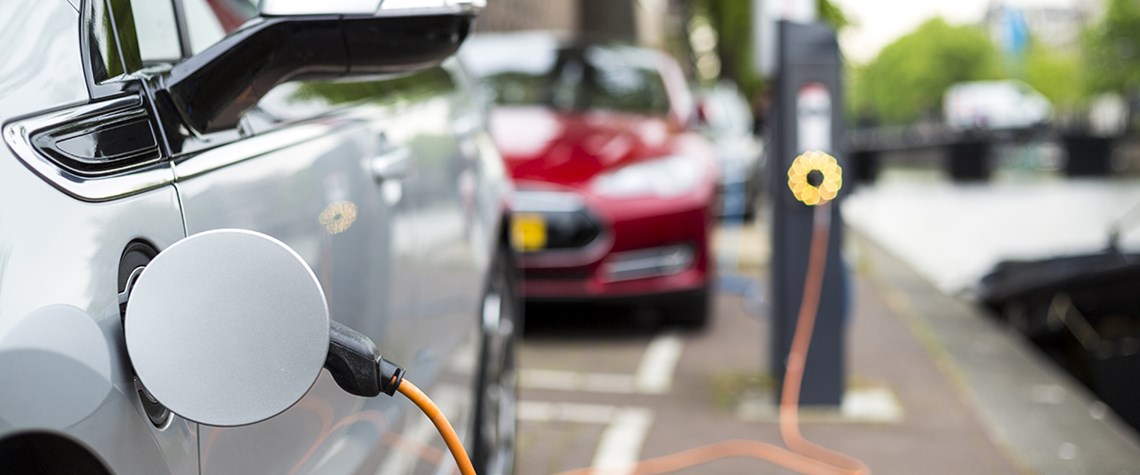
Oil and its products have given the world more than a century of easy mobility. Gasoline and diesel keep ambulances running and planes need jet fuel. They enable global trade, on land and at sea, and create wealth. But its dominant role in global transport—like its function in power generation in previous decades—is coming under threat, starting with cars. The UK added its weight to the growing movement towards electric vehicles, declaring in July this year that sales of petrol and diesel vehicles will be banned after 2040. That decision followed France's announcement weeks earlier to also end sales of petrol and diesel vehicles by the same year. Car manufacturer Volvo has pledged to make on

Also in this section
1 April 2026
Emerging industry must work with policymakers to convince a broader pool of investors to buy into its long-term potential
12 March 2026
Role of world’s largest carbon cap-and-trade market under scrutiny as war in Iran threatens to drive EU energy costs to unsustainable levels
10 March 2026
Europe urgently needs to bring more projects to FID, as CCS investors warn they might divert capital to faster-growing regions
9 January 2026
A shift in perspective is needed on the carbon challenge, the success of which will determine the speed and extent of emissions cuts and how industries adapt to the new environment