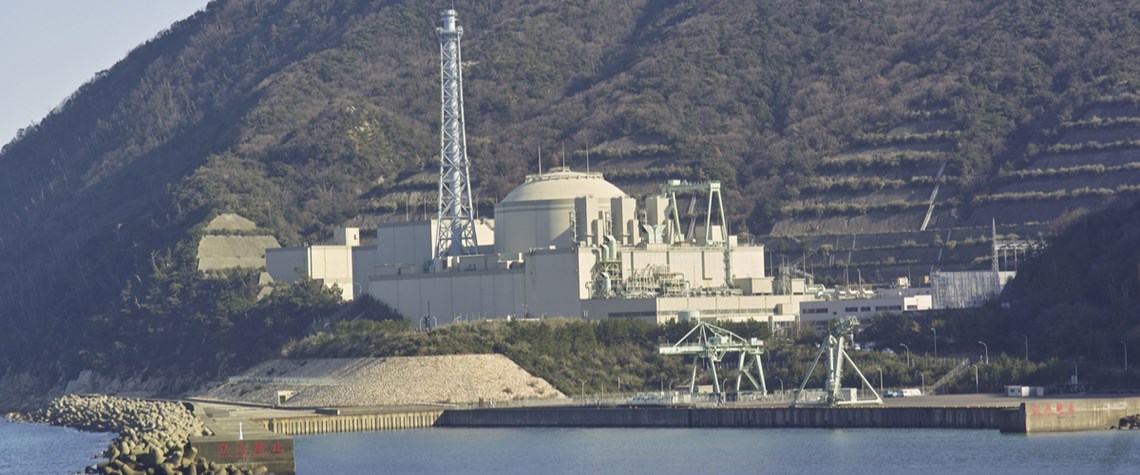
Fukushima still looms over energy decisions
Japan ignores strategic low-carbon energy options and risks muddling through by adding more coal
The surprise resignation of Japanese prime minister Shinzo Abe due to illness, just over a year before elections scheduled for October 2021, creates possible inflection points for a policy overhaul in a country dogged by energy insecurity. Yet Japan’s conservative and self-reinforcing political culture, in which getting along is more important than strategic vision, means we are likely to see more of the same. Japan’s ruling Liberal Democratic Party (LDP) will choose a successor to Abe on 14 September, with chief cabinet secretary Yoshihide Suga favoured to take over and therefore likely be in power until the elections. If Suga is able to provide a sense of continuity with Abe's tenure, it w

Also in this section
9 January 2026
A shift in perspective is needed on the carbon challenge, the success of which will determine the speed and extent of emissions cuts and how industries adapt to the new environment
2 January 2026
This year may be a defining one for carbon capture, utilisation and storage in the US, despite the institutional uncertainty
23 December 2025
Legislative reform in Germany sets the stage for commercial carbon capture and transport at a national level, while the UK has already seen financial close on major CCS clusters
15 December 2025
Net zero is not the problem for the UK’s power system. The real issue is with an outdated market design in desperate need of modernisation