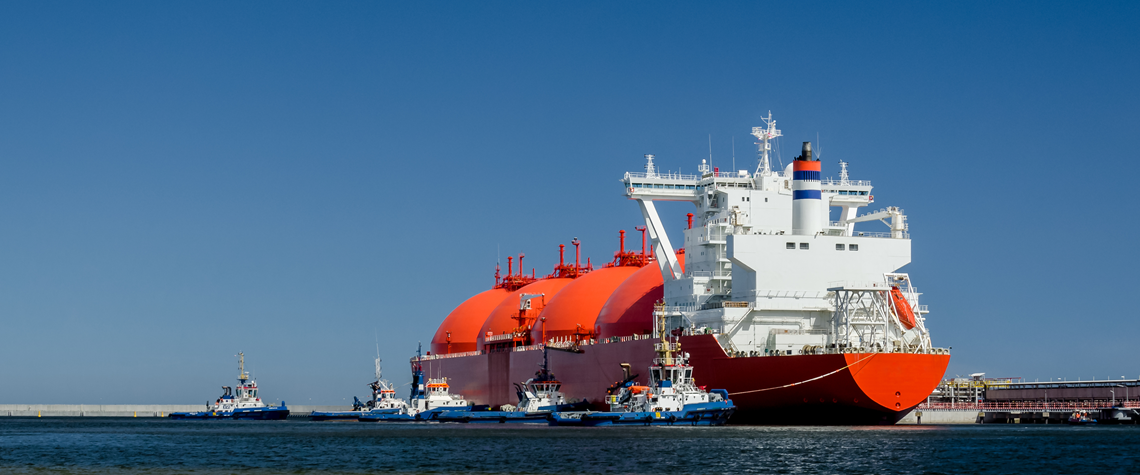
Pressure grows on industry to produce ‘green LNG’
The industry needs to reduce the emissions associated with natural gas for it to preserve its role in the energy mix and energy transition
While natural gas is the greenest mainstream hydrocarbon fuel, the massive increase in demand predicted for the coming decades means it would still heavily contribute to climate change. Pressure is therefore mounting on gas producers to reduce the fuel’s carbon footprint. In response, players have started looking for ways to minimise or counterbalance their carbon footprints, with leading producers, traders and consumers indicating plans to decarbonise the supply chain. This is being done in two ways, according to Hussein Moghaddam, senior energy forecast analyst at the Gas Exporting Countries Forum (GECF) secretariat’s energy economics and forecasting department, in a whitepaper published l

Also in this section
12 March 2026
Role of world’s largest carbon cap-and-trade market under scrutiny as war in Iran threatens to drive EU energy costs to unsustainable levels
10 March 2026
Europe urgently needs to bring more projects to FID, as CCS investors warn they might divert capital to faster-growing regions
9 January 2026
A shift in perspective is needed on the carbon challenge, the success of which will determine the speed and extent of emissions cuts and how industries adapt to the new environment
2 January 2026
This year may be a defining one for carbon capture, utilisation and storage in the US, despite the institutional uncertainty