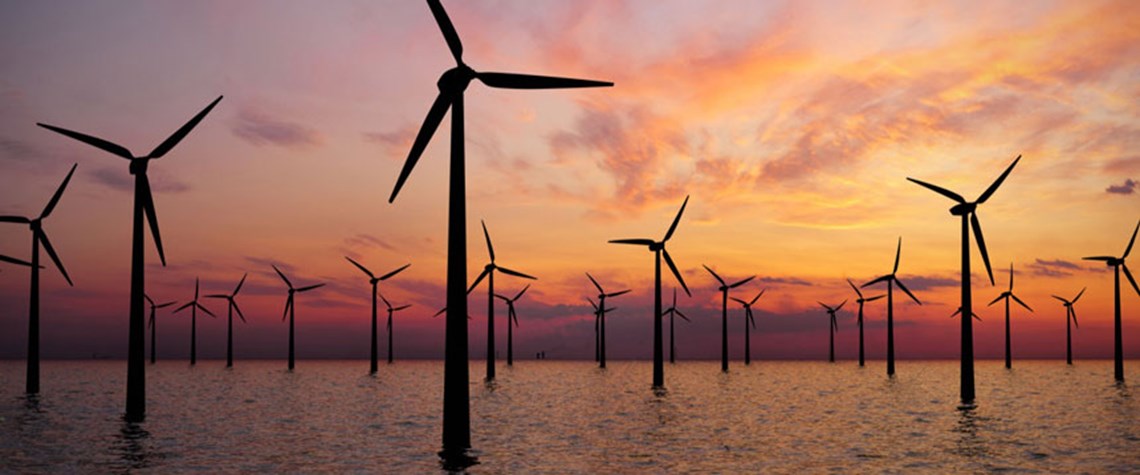
Wind power is set for rapid growth
Energy crisis will not derail transition – DNV
Falling cost of renewables and rising carbon prices will outweigh short-term turbulence, risk management firm says in new forecast
Current volatility in global energy markets will have a minimal impact on the pace of the energy transition to 2050 as rising long-term carbon prices and plunging renewables costs outweigh short-term factors such as inflation and supply-chain disruptions, according to risk management company DNV. “The turbulence in the energy market does not dramatically alter the decarbonisation pathway towards mid-century,” says Remi Eriksen, CEO of DNV. “The strongest engine of the global energy transition is the rapidly reducing costs of solar and wind energy, which will outweigh the present short-term shocks to the energy system.” However, the world is heading for 2.2°C warming by the end of the century

Also in this section
12 March 2026
Role of world’s largest carbon cap-and-trade market under scrutiny as war in Iran threatens to drive EU energy costs to unsustainable levels
10 March 2026
Europe urgently needs to bring more projects to FID, as CCS investors warn they might divert capital to faster-growing regions
9 January 2026
A shift in perspective is needed on the carbon challenge, the success of which will determine the speed and extent of emissions cuts and how industries adapt to the new environment
2 January 2026
This year may be a defining one for carbon capture, utilisation and storage in the US, despite the institutional uncertainty