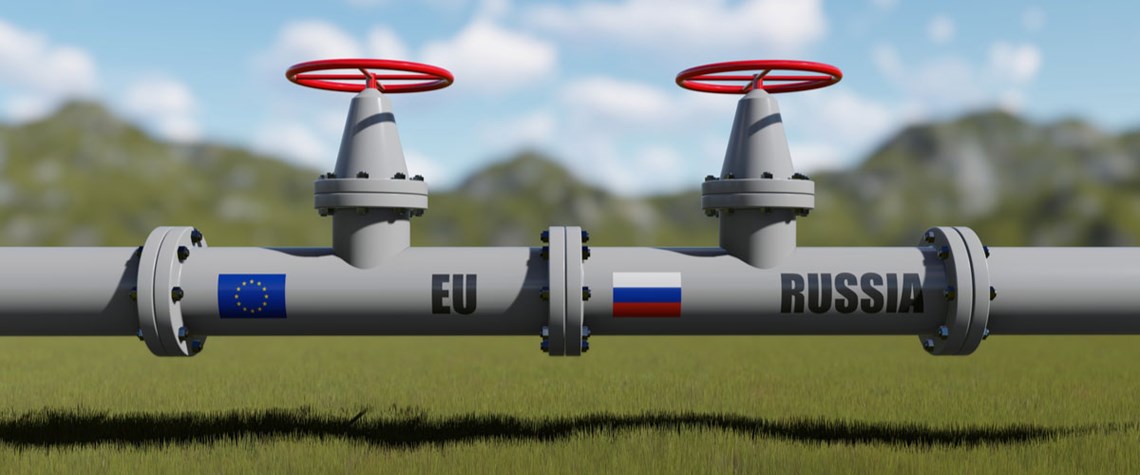
The Commission wants to end European dependence on Russian gas
EU plans to pivot from Russian gas
Switch to renewables and hydrogen aims to displace demand for Russian gas well before 2030
The European Commission has proposed a plan to make Europe independent from Russian fossil fuels well before 2030 as a response to Moscow’s decision to invade Ukraine. Russia provided around 45pc of EU gas imports in 2021. The plan—known as RepowerEU—will seek to diversify gas supplies, speed up the rollout of renewable gases such as green hydrogen and replace gas in heating and power generation. The Commission believes it can reduce EU demand for Russian gas by two-thirds before the end of the year. “The quicker we switch to renewables and hydrogen, combined with more energy efficiency, the quicker we will be truly independent and master our energy system,” says European Commission presiden

Also in this section
12 March 2026
Role of world’s largest carbon cap-and-trade market under scrutiny as war in Iran threatens to drive EU energy costs to unsustainable levels
10 March 2026
Europe urgently needs to bring more projects to FID, as CCS investors warn they might divert capital to faster-growing regions
9 January 2026
A shift in perspective is needed on the carbon challenge, the success of which will determine the speed and extent of emissions cuts and how industries adapt to the new environment
2 January 2026
This year may be a defining one for carbon capture, utilisation and storage in the US, despite the institutional uncertainty