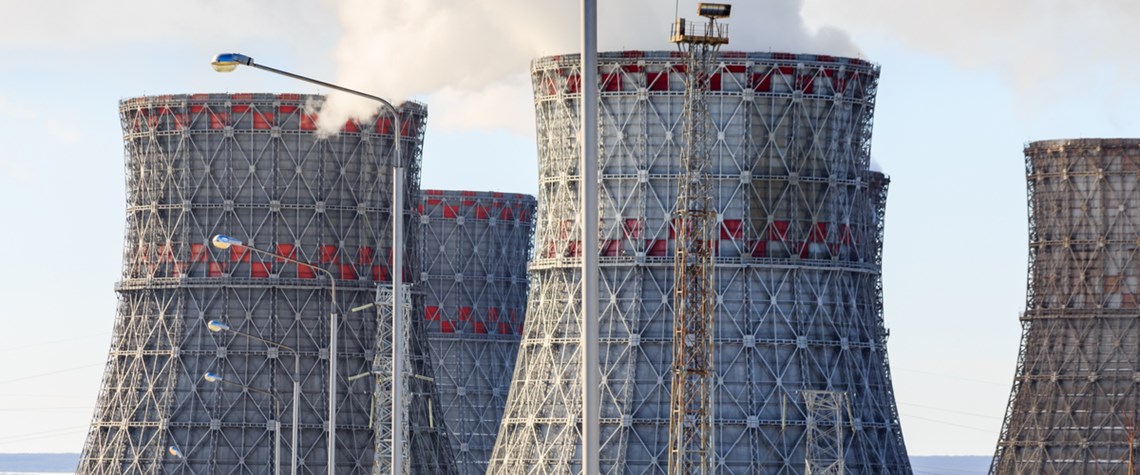
Nuclear faces its own energy transition
The fuel may appear to be in terminal decline, but it remains the focus of Great Power competition, suggesting it is not dead yet
The energy transition is, to distil it to its core, a move to a lower and eventually zero-carbon energy mix. But what might be the role for nuclear power, which is free of CO2 emissions? At first glance, not a lot. Nuclear's popularity with the environmental lobby can be summed up by NGO Greenpeace’s successful campaign to get Germany to ditch it years before there was any momentum for the country to abandon its polluting thermal and brown coal industries. And, while wind and solar costs have fallen precipitously, the new generation of European pressurised reactors (EPRs) have proved an almost 20-year black hole of delays and hair-raising cost escalations. But John Reilly, a prominent energy

Also in this section
1 April 2026
Emerging industry must work with policymakers to convince a broader pool of investors to buy into its long-term potential
12 March 2026
Role of world’s largest carbon cap-and-trade market under scrutiny as war in Iran threatens to drive EU energy costs to unsustainable levels
10 March 2026
Europe urgently needs to bring more projects to FID, as CCS investors warn they might divert capital to faster-growing regions
9 January 2026
A shift in perspective is needed on the carbon challenge, the success of which will determine the speed and extent of emissions cuts and how industries adapt to the new environment