Tackling emissions is vital for blue hydrogen
Outlook 2022: A case for European blue hydrogen
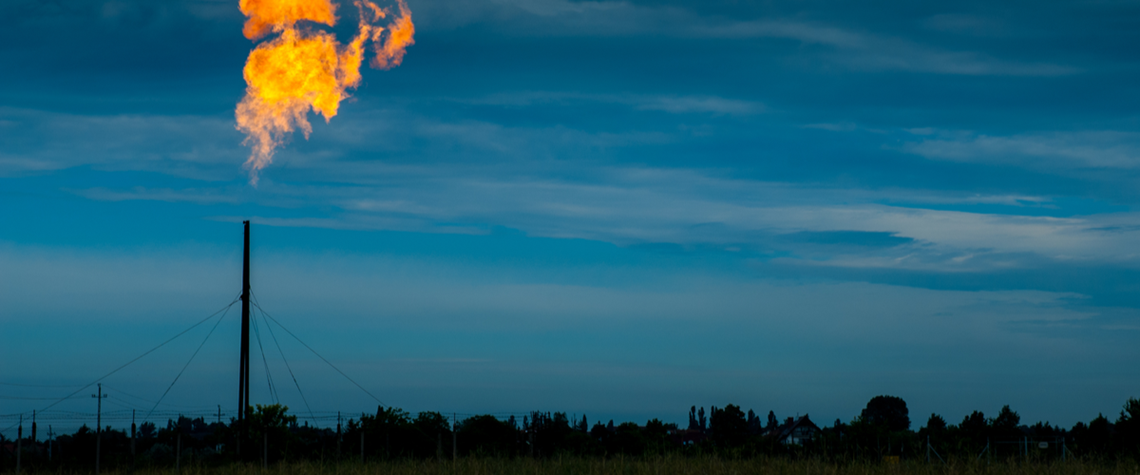
Tackling fugitive methane emissions in the supply chain is vital if blue hydrogen is to be considered low carbon
In August 2021, the paper How green is blue hydrogen? hit the academic press. Co-authored by Professor Howarth of Cornell University, the paper makes the case that reforming natural gas alongside carbon capture and storage (CCS) to produce blue hydrogen can generate more than 20pc more greenhouse gas (GHG) emissions than the direct use of natural gas. This conclusion follows an analysis of two blue hydrogen plants, one in the US and one in Canada, and—importantly—is based on two key assumptions: fugitive methane emissions from natural gas production are set at 3.5pc following analysis of US leakage statistics, and power for the CCS process is supplied from gas-fired generation. In addition,

Also in this section
9 March 2026
Hydrogen has not stalled in the UK because the technology does not work. The problem is that the system around it does not yet move at the speed required
4 March 2026
Turmoil in Middle East reminds nascent clean hydrogen sector that its future prospects are dependent on global energy markets and geopolitics
25 February 2026
Low-carbon hydrogen and ammonia development is advancing much more slowly and unevenly than once expected, with high costs and policy uncertainty thinning investment. Meanwhile, surging energy demand is reinforcing the role of natural gas and LNG as the backbone of the global energy system, panellists at LNG2026 said
18 February 2026
Norwegian energy company has dropped a major hydrogen project and paused its CCS expansion plans as demand fails to materialise