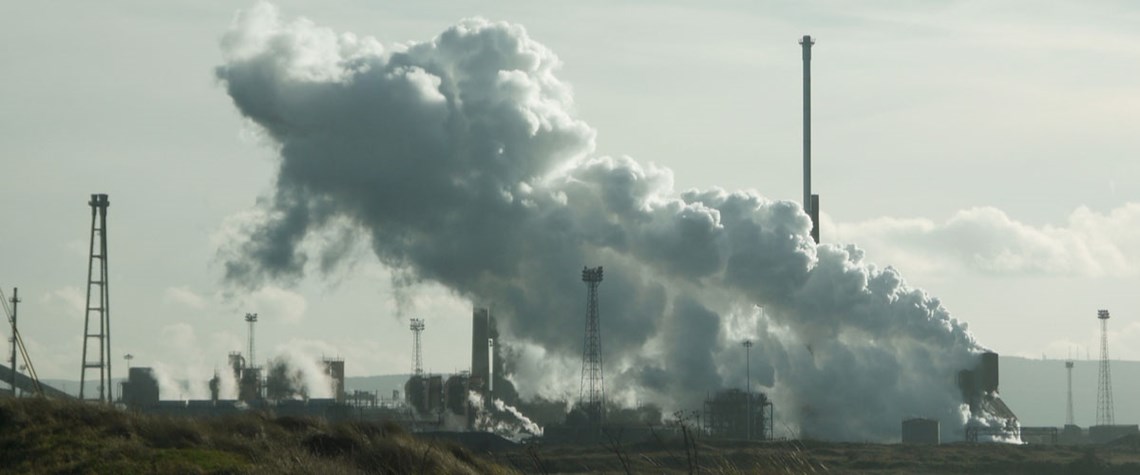
BP is developing the H2 Teesside project
Blue hydrogen needs four key ingredients
Four factors are essential for success, says BP executive, who says the firm’s H2 Teesside project ticks all the boxes
Blue hydrogen projects need four key factors to be in place to succeed, according to Matt Williamson, vice-president of blue hydrogen at BP. The four are a good gas supply, a CO₂ store, regular offtake and supportive regional and national governments. “A great blue hydrogen project needs these four ingredients,” said Williamson at consultancy Wood Mackenzie’s hydrogen conference. He cites BP’s H2 Teesside as a project that ticks all of the boxes. H2 Teesside has a terminal receiving gas from the UK central North Sea and is able to store gas in the Endurance field as part of the Northern Endurance Partnership (NEP)—a programme led by BP to store 10mn t/yr CO₂. BP has also signed agreements wi

Also in this section
9 March 2026
Hydrogen has not stalled in the UK because the technology does not work. The problem is that the system around it does not yet move at the speed required
4 March 2026
Turmoil in Middle East reminds nascent clean hydrogen sector that its future prospects are dependent on global energy markets and geopolitics
25 February 2026
Low-carbon hydrogen and ammonia development is advancing much more slowly and unevenly than once expected, with high costs and policy uncertainty thinning investment. Meanwhile, surging energy demand is reinforcing the role of natural gas and LNG as the backbone of the global energy system, panellists at LNG2026 said
18 February 2026
Norwegian energy company has dropped a major hydrogen project and paused its CCS expansion plans as demand fails to materialise