California’s H<sub>2</sub> vehicle market swayed by countervailing forces
New state funding should help fuel-cell vehicles reduce the huge sales gap with battery electric equivalents—if national tax credits are reinstated
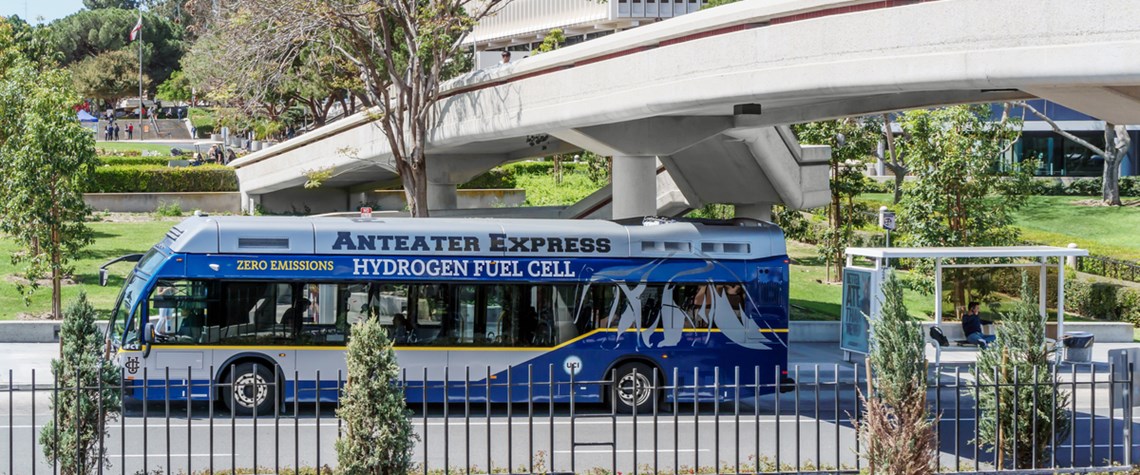
The California government is planning to provide substantially greater funding to increase the sale of fuel-cell electric vehicles (FCEV) and other zero-emission road vehicles in the state, as well as to boost construction of hydrogen fuelling stations and charging infrastructure. In the second week of January, Governor Gavin Newsom proposed a $4.5bn coronavirus stimulus package within California’s 2021-22 budget—the fiscal year begins on 1 July—including $1.5bn earmarked for the state’s road transport transition. This proposed spending supports efforts to implement the state’s ban on the sale of new internal combustion engine (ICE) passenger cars and trucks as of 2035, and medium and heav

Also in this section
4 March 2026
Turmoil in Middle East reminds nascent clean hydrogen sector that its future prospects are dependent on global energy markets and geopolitics
25 February 2026
Low-carbon hydrogen and ammonia development is advancing much more slowly and unevenly than once expected, with high costs and policy uncertainty thinning investment. Meanwhile, surging energy demand is reinforcing the role of natural gas and LNG as the backbone of the global energy system, panellists at LNG2026 said
18 February 2026
Norwegian energy company has dropped a major hydrogen project and paused its CCS expansion plans as demand fails to materialise
4 February 2026
Europe’s largest electrolyser manufacturers are losing patience with policymakers as sluggish growth in the green hydrogen sector undermines their decision to expand production capacity