Dutch to test green H<sub>2</sub>-fuelled inland shipping
Using hydrogen as a marine fuel could make a substantial difference in lowering the emissions of the sizeable inland shipping sector
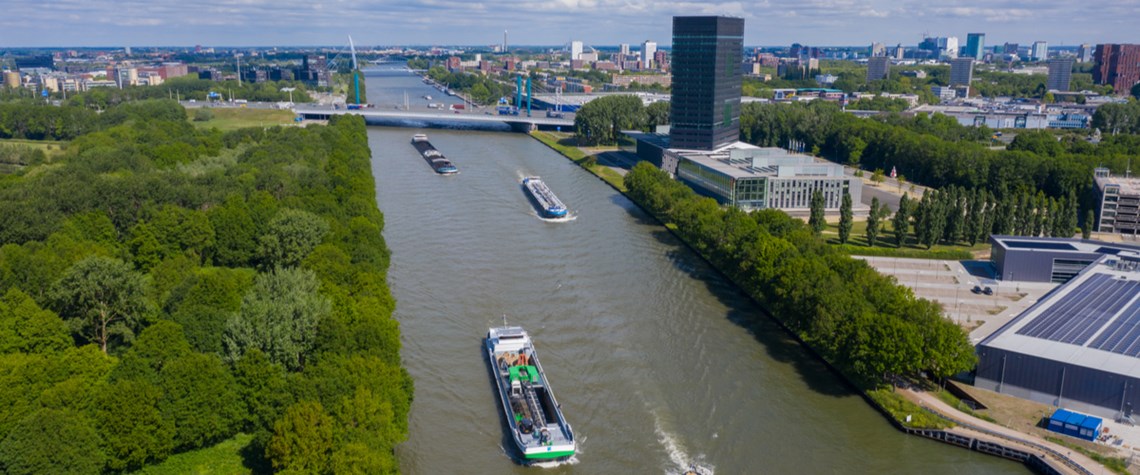
Barges running on green hydrogen could soon be a reality in the Netherlands after the launch of a consortium that will test sailing inland waterway vessels on green hydrogen in the Zuiderzeehaven area, northeast of Amsterdam. Globally, the prospect of using hydrogen as a marine fuel is a highly attractive option to lower carbon emissions in the sector, if cost and infrastructure concerns can be overcome. Making a switch to green hydrogen for marine use could make a huge difference in the Netherlands’ fight against climate change, as around 45pc of all Dutch freight transport takes place on water. The northwest European country aims to reduce carbon emissions by 95pc below 1990 levels by 2050

Also in this section
9 March 2026
Hydrogen has not stalled in the UK because the technology does not work. The problem is that the system around it does not yet move at the speed required
4 March 2026
Turmoil in Middle East reminds nascent clean hydrogen sector that its future prospects are dependent on global energy markets and geopolitics
25 February 2026
Low-carbon hydrogen and ammonia development is advancing much more slowly and unevenly than once expected, with high costs and policy uncertainty thinning investment. Meanwhile, surging energy demand is reinforcing the role of natural gas and LNG as the backbone of the global energy system, panellists at LNG2026 said
18 February 2026
Norwegian energy company has dropped a major hydrogen project and paused its CCS expansion plans as demand fails to materialise