Newsletters | Request Trial | Log in | Advertise | Digital Issue   |   Search
  • Green hydrogen
  • Blue hydrogen
  • Storage & Transportation
  • Consumption
  • Strategies & Trends
  • Finance
  • Women in Hydrogen 50
  • Podcasts
Search
Related Articles
EWE breaks ground on major green hydrogen project
Project at Emden in northwest Germany due online in 2027, but wider ramp-up of clean hydrogen sector in Germany will require overhaul of government policy, company warns
Letter on hydrogen: The Mauritania model
The northwest African country’s vision of integrating green power, molecules and steel is alive and kicking, and serves as a reminder of hydrogen’s transformative potential
Letter from London: Baytown blues
US oil major ExxonMobil looks unlikely to advance its Baytown blue hydrogen project in Texas in the near term, reflecting the new pragmatism now guiding the energy transition
An end to EU green illusions
EU industry and politicians are pushing back against the bloc’s green agenda. Meanwhile, Brussels’ transatlantic trade deal with Washington could consolidate US energy dominance
BP exits $55b Australian green mega-project
Oil major cites strategy reset as it walks away from Australian Renewable Energy Hub, leaving partner InterContinental Energy to lead one of world’s largest green hydrogen projects
BP tests German market for green hydrogen
Oil and gas major calls for expression of interest in product from Lingen project ahead of startup in 2027
Namibia eyes diversifying energy mix as oil stalls
TotalEnergies’ delayed FID for its Venus project will likely set back first oil, but Windhoek has other irons in the fire
A disorderly transition
Last year was one of records for renewables but also for oil, gas and coal, as the energy transition progresses in an increasingly uneven way, according to the Energy Institute’s latest annual report
Klaipeda advances ‘unique’ port project
Lithuanian port is first in Baltic region to install electrolyser to supply green hydrogen to maritime and road transport users
South Africa’s green hydrogen plans edge forward
Funding deals for two major projects lift the mood in a sector hampered by local bureaucratic delays and bearish global sentiment
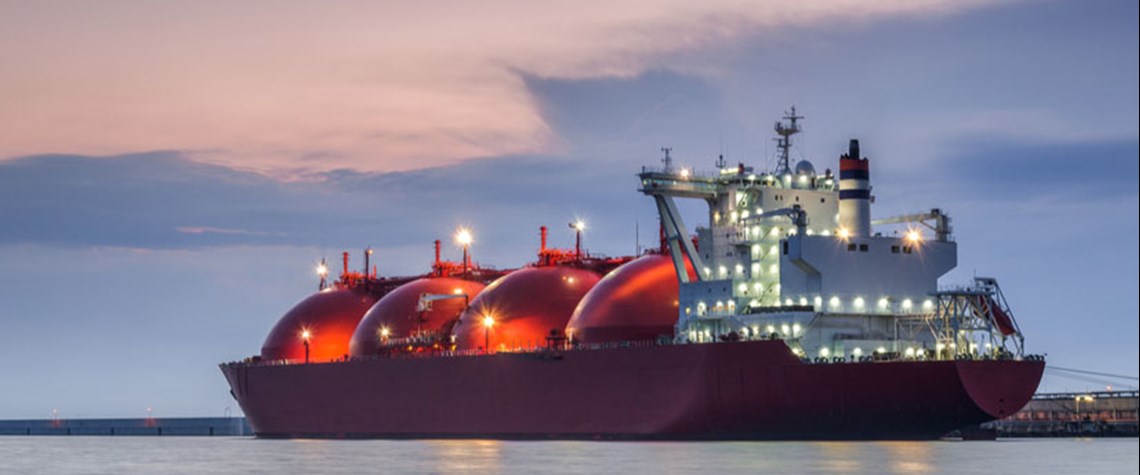
Japan and South Korea currently import large quantities of LNG
Japan South Korea Renewables Natural gas Carbon capture
Vincent Lauerman
5 May 2021
Follow @PetroleumEcon
Forward article link
Share PDF with colleagues

The Japan-South Korea hydrogen sweepstakes

Both energy-poor countries are expected to be importing blue and green hydrogen in volume by 2028-30

Energy-poor and land-constrained Japan and South Korea are widely viewed as the greatest prizes in the low-carbon hydrogen export sweepstakes. Since 2017, they have both released roadmaps to develop hydrogen economies to counter domestic greenhouse gas (GHG) emissions and produce hydrogen-related technologies and equipment for export. Japan and South Korea are expected to be importing low-carbon hydrogen—the blue and green varieties—in volume by 2028 to 2030. To date, Japanese entities have signed a number of deals with foreign governments and companies to get the low-carbon hydrogen ball rolling, whereas the South Korean government appears to be taking a more systematic approach to sourcing

Also in this section
Letter from London: BP’s East Coast demand warning
2 December 2025
Oil major cites deteriorating demand and a planning debacle as it abandons one of UK’s largest blue hydrogen projects
EWE breaks ground on major green hydrogen project
1 December 2025
Project at Emden in northwest Germany due online in 2027, but wider ramp-up of clean hydrogen sector in Germany will require overhaul of government policy, company warns
Letter on hydrogen: The Mauritania model
25 November 2025
The northwest African country’s vision of integrating green power, molecules and steel is alive and kicking, and serves as a reminder of hydrogen’s transformative potential
Letter on hydrogen: Leading the way to demand
19 November 2025
The creation of ‘lead markets’ to generate hydrogen demand in the EU has potential, but implementation would pose complex challenges for producers and industrial offtakers

Share PDF with colleagues

COPYRIGHT NOTICE: PDF sharing is permitted internally for Petroleum Economist Gold Members only. Usage of this PDF is restricted by <%= If(IsLoggedIn, User.CompanyName, "")%>’s agreement with Petroleum Economist – exceeding the terms of your licence by forwarding outside of the company or placing on any external network is considered a breach of copyright. Such instances are punishable by fines of up to US$1,500 per infringement
Send

Forward article Link

Send
Sign Up For Our Newsletter
Project Data
Maps
Podcasts
Social Links
Featured Video
Home
  • About us
  • Subscribe
  • Reaching your audience
  • PE Store
  • Terms and conditions
  • Contact us
  • Privacy statement
  • Cookies
  • Sitemap
All material subject to strictly enforced copyright laws © 2025 The Petroleum Economist Ltd
Cookie Settings
;

Search