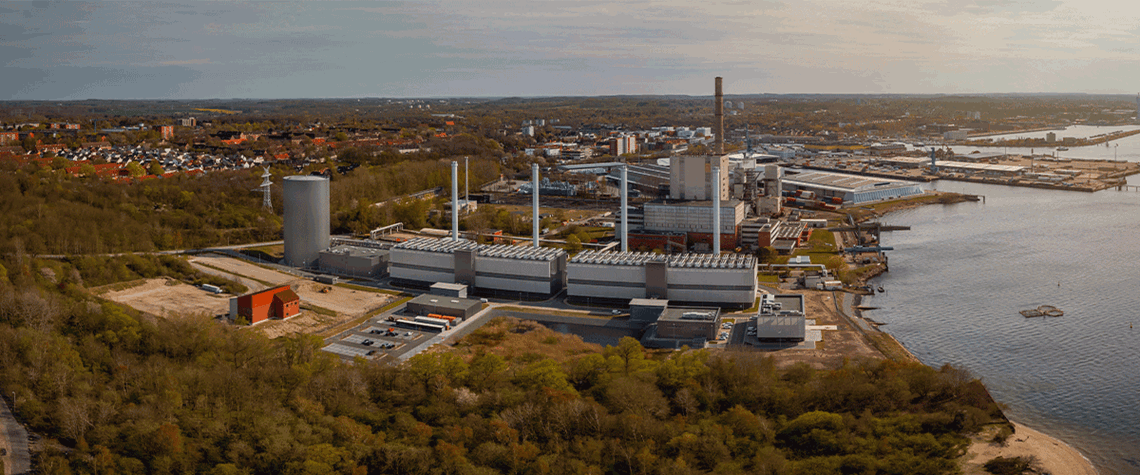
The Kiel CHP plant could run on hydrogen by 2035
German gas power plant to convert to hydrogen by 2035
Stadtwerke Kiel notes conversion will depend on ‘abundance’ of green hydrogen supply in Europe
German company Stadtwerke Kiel has announced its gas-fired 192MW combined-heat-and-power (CHP) plant will operate on 100pc green hydrogen by 2035—ten years before the country’s net-zero target. The utility has signed a memorandum of understanding with the plant’s engine provider, Innio, to convert the plant’s existing engines to run on hydrogen. The Kiel CHP plant was brought online in 2019, following the decommissioning of a coal-fired facility. At the time, the plant was lauded as a way to provide backup power to an increasingly renewables-dominated grid, while emitting 70pc less CO₂ than the previous power plant. But as natural gas prices have surged and Germany faces increasing pressure

Also in this section
9 March 2026
Hydrogen has not stalled in the UK because the technology does not work. The problem is that the system around it does not yet move at the speed required
4 March 2026
Turmoil in Middle East reminds nascent clean hydrogen sector that its future prospects are dependent on global energy markets and geopolitics
25 February 2026
Low-carbon hydrogen and ammonia development is advancing much more slowly and unevenly than once expected, with high costs and policy uncertainty thinning investment. Meanwhile, surging energy demand is reinforcing the role of natural gas and LNG as the backbone of the global energy system, panellists at LNG2026 said
18 February 2026
Norwegian energy company has dropped a major hydrogen project and paused its CCS expansion plans as demand fails to materialise