Denmark targets 4–6GW of green hydrogen by 2030
Denmark opens green hydrogen and derivatives tender
Subsidy scheme is expected to support 100–200MW of projects
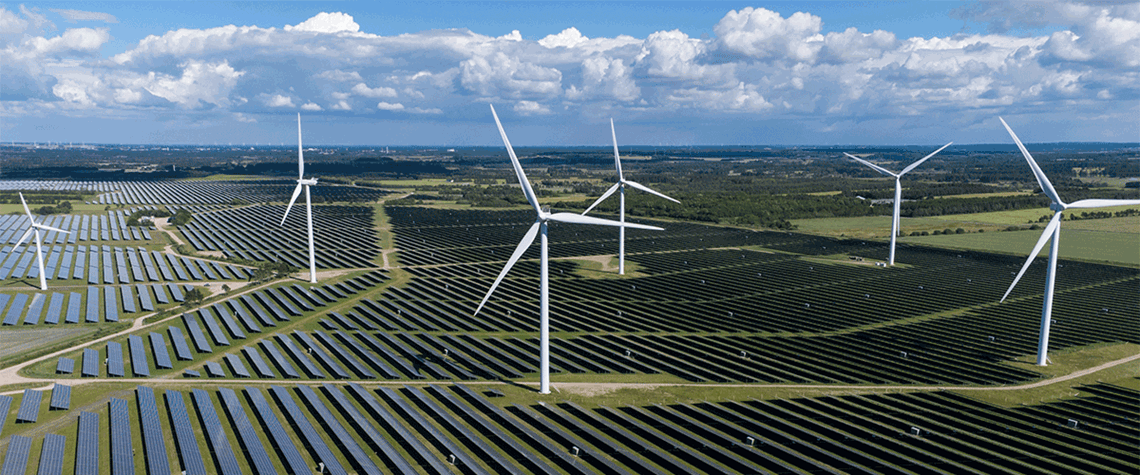
Denmark has launched a DKK1.25bn ($184mn) tender to support the production of green hydrogen and its derivatives. Subsidies will take the form of operating aid paid per kilogram of hydrogen produced over a ten-year period. The tender is expected to support 100–200MW of production capacity that should reduce emissions across industry, mobility and energy by 70,000t/yr. Bids are capped at DKK120/GJ, or around DKK33.3mn/MW. To be eligible for support, projects must produce hydrogen in compliance with the EU’s requirements for renewables additionality, temporal and geographical correlation, and a 70pc reduction in lifecycle emissions. The Danish government also requires that projects are already

Also in this section
9 March 2026
Hydrogen has not stalled in the UK because the technology does not work. The problem is that the system around it does not yet move at the speed required
4 March 2026
Turmoil in Middle East reminds nascent clean hydrogen sector that its future prospects are dependent on global energy markets and geopolitics
25 February 2026
Low-carbon hydrogen and ammonia development is advancing much more slowly and unevenly than once expected, with high costs and policy uncertainty thinning investment. Meanwhile, surging energy demand is reinforcing the role of natural gas and LNG as the backbone of the global energy system, panellists at LNG2026 said
18 February 2026
Norwegian energy company has dropped a major hydrogen project and paused its CCS expansion plans as demand fails to materialise