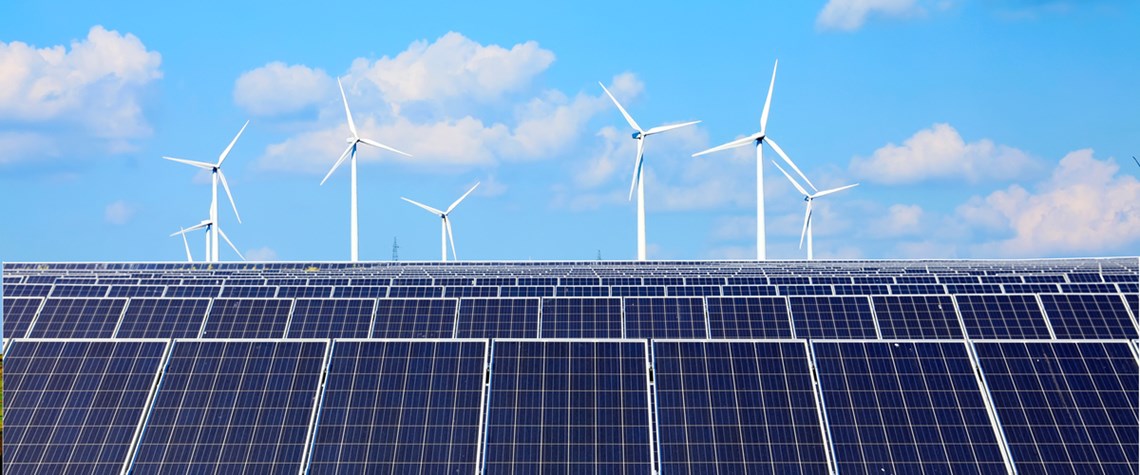
The plant will be run partly from directly-connected renewables
Modular approach “could help” hydrogen market grow
Connecting modular electrolyser units helps plants scale quickly and deals with the intermittency of renewable generation
A modular approach to hydrogen electrolyser technology could help the sector scale rapidly, according to the developers of a green hydrogen project in Denmark. The GreenHyScale project will demonstrate 100MW of green hydrogen based on a modular alkaline electrolyser platform delivered by Green Hydrogen Systems. A 6MW module was demonstrated as the first step in the project, which is now operating at 24MW, and will eventually lead to an electrolysis plant of at least 100MW size. “Scaling is the key word—we are scaling a market and you cannot scale up in one jump,” says Niels-Arne Baden CEO of Green Energy Systems, speaking on a webinar. “We believe in a modular approach not huge custom-built

Also in this section
9 March 2026
Hydrogen has not stalled in the UK because the technology does not work. The problem is that the system around it does not yet move at the speed required
4 March 2026
Turmoil in Middle East reminds nascent clean hydrogen sector that its future prospects are dependent on global energy markets and geopolitics
25 February 2026
Low-carbon hydrogen and ammonia development is advancing much more slowly and unevenly than once expected, with high costs and policy uncertainty thinning investment. Meanwhile, surging energy demand is reinforcing the role of natural gas and LNG as the backbone of the global energy system, panellists at LNG2026 said
18 February 2026
Norwegian energy company has dropped a major hydrogen project and paused its CCS expansion plans as demand fails to materialise