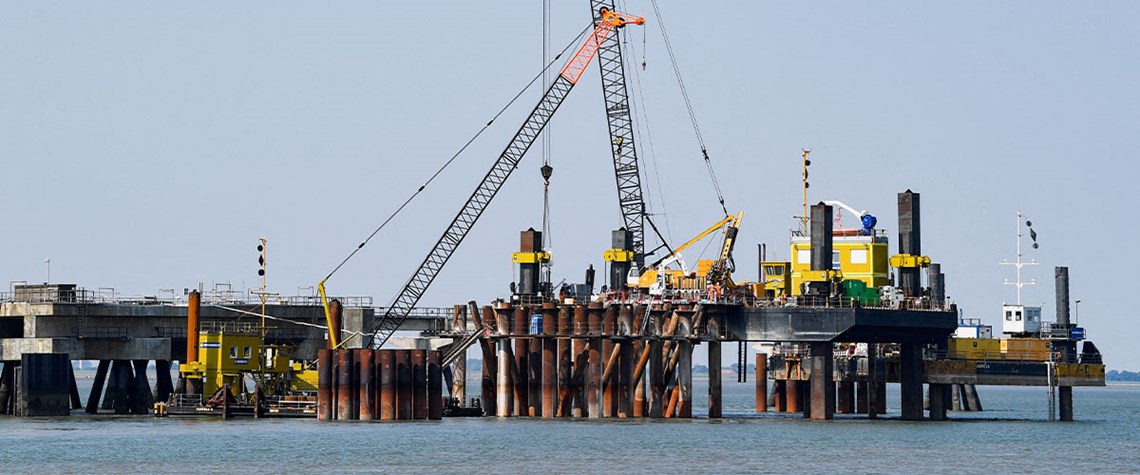
An LNG terminal has recently been completed at Wilhelmshaven
TES and EWE sign electrolyser deal
Two firms want to build 500MW electrolyser as part of plan to make Wilhelmshaven a hydrogen hub
Green hydrogen developer Tree Energy Solutions (TES) and German utility EWE have signed a memorandum of understanding (MoU) to build a 500MW electrolyser in TES’ Green Energy Hub at Wilhelmshaven. Belgium-based TES has already raised €65mn ($66mn) from a group of investors, including banking group HSBC and energy company Eon, to build a clean energy import hub at the northern German port. The terminal will initially import LNG before switching to synthetic methane for conversion to green hydrogen. The electrolyser is to be installed and operated from 2028 with a further unit planned eventually to take the total capacity to 1GW. The hub could theoretically accommodate up to 2GW of electrolys

Also in this section
9 March 2026
Hydrogen has not stalled in the UK because the technology does not work. The problem is that the system around it does not yet move at the speed required
4 March 2026
Turmoil in Middle East reminds nascent clean hydrogen sector that its future prospects are dependent on global energy markets and geopolitics
25 February 2026
Low-carbon hydrogen and ammonia development is advancing much more slowly and unevenly than once expected, with high costs and policy uncertainty thinning investment. Meanwhile, surging energy demand is reinforcing the role of natural gas and LNG as the backbone of the global energy system, panellists at LNG2026 said
18 February 2026
Norwegian energy company has dropped a major hydrogen project and paused its CCS expansion plans as demand fails to materialise