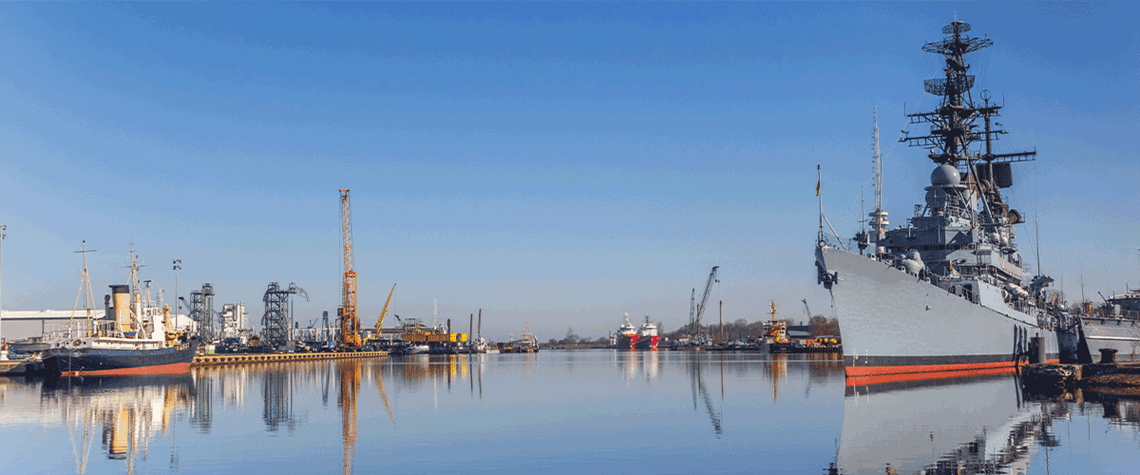
Port of Wilhelmshaven
BP plans large-scale ammonia cracker at Wilhelmshaven
Oil major would use existing infrastructure at German port to send hydrogen to consumers in Ruhr industrial region
BP is studying the feasibility of deploying a large-scale cracker at the northern German port of Wilhelmshaven to produce hydrogen from imported green ammonia. The “industry leading” cracker could produce up to 130,000t/yr of low-carbon hydrogen from 2028, using ammonia shipped in from BP’s green hydrogen production plants around the world. “The development of this import facility complements BP’s global hydrogen project portfolio, as we develop a presence in a number of potential hydrogen and ammonia export locations in the Middle East, Africa and Australia, which could supply part of the European demand in the coming years,” says Felipe Arbelaez, senior vice-president for hydrogen and CCS

Also in this section
9 March 2026
Hydrogen has not stalled in the UK because the technology does not work. The problem is that the system around it does not yet move at the speed required
4 March 2026
Turmoil in Middle East reminds nascent clean hydrogen sector that its future prospects are dependent on global energy markets and geopolitics
25 February 2026
Low-carbon hydrogen and ammonia development is advancing much more slowly and unevenly than once expected, with high costs and policy uncertainty thinning investment. Meanwhile, surging energy demand is reinforcing the role of natural gas and LNG as the backbone of the global energy system, panellists at LNG2026 said
18 February 2026
Norwegian energy company has dropped a major hydrogen project and paused its CCS expansion plans as demand fails to materialise