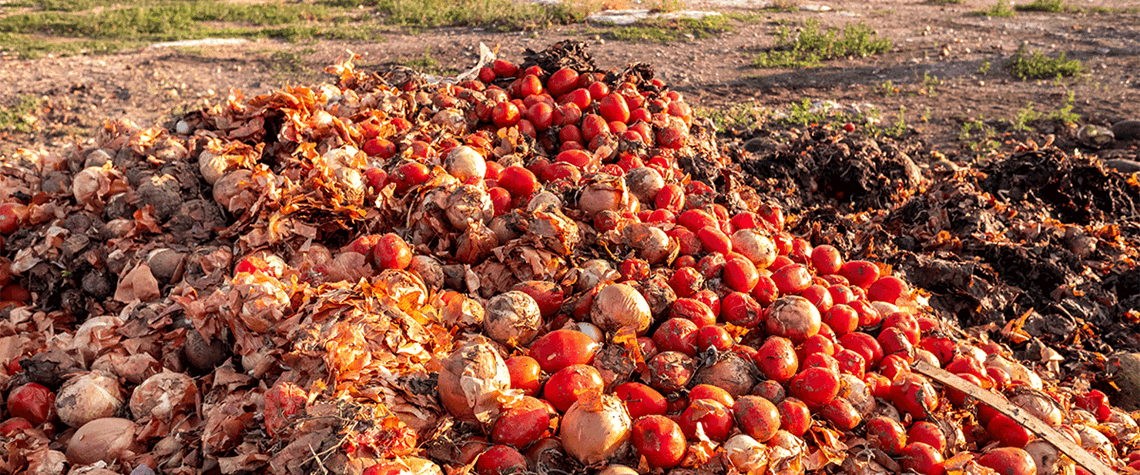
Project will use food and green waste from landfill
Chevron backs California waste-to-hydrogen project
US oil major to target local transport markets with hydrogen produced from landfill waste in ‘first of its kind’ joint venture project
Chevron is investing in a waste-to-hydrogen project aimed at supplying transport markets in northern California from the first quarter of next year. The US oil major’s Chevron New Energies unit has become a 50pc shareholder in the project in Richmond, with the balance of the shares held by Wyoming-based renewable fuels producer Raven SR (30pc) and fuel-cell vehicle manufacturer Hyzon (20pc). Chevron and Hyzon are already strategic investors in Raven SR. “We are excited about this collaboration and our expanded commitment to Raven and its waste-to-hydrogen technology,” says Austin Knight, vice-president of hydrogen for Chevron New Energies. 2,400t/yr – Projected output of project “Not

Also in this section
9 March 2026
Hydrogen has not stalled in the UK because the technology does not work. The problem is that the system around it does not yet move at the speed required
4 March 2026
Turmoil in Middle East reminds nascent clean hydrogen sector that its future prospects are dependent on global energy markets and geopolitics
25 February 2026
Low-carbon hydrogen and ammonia development is advancing much more slowly and unevenly than once expected, with high costs and policy uncertainty thinning investment. Meanwhile, surging energy demand is reinforcing the role of natural gas and LNG as the backbone of the global energy system, panellists at LNG2026 said
18 February 2026
Norwegian energy company has dropped a major hydrogen project and paused its CCS expansion plans as demand fails to materialise