Sunfire has supplied 12 electrolyser modules
First largescale solid-oxide electrolyser installed at Neste’s Rotterdam refinery
Sunfire has installed 2.6MW of capacity at one of Europe’s largest biofuels refineries
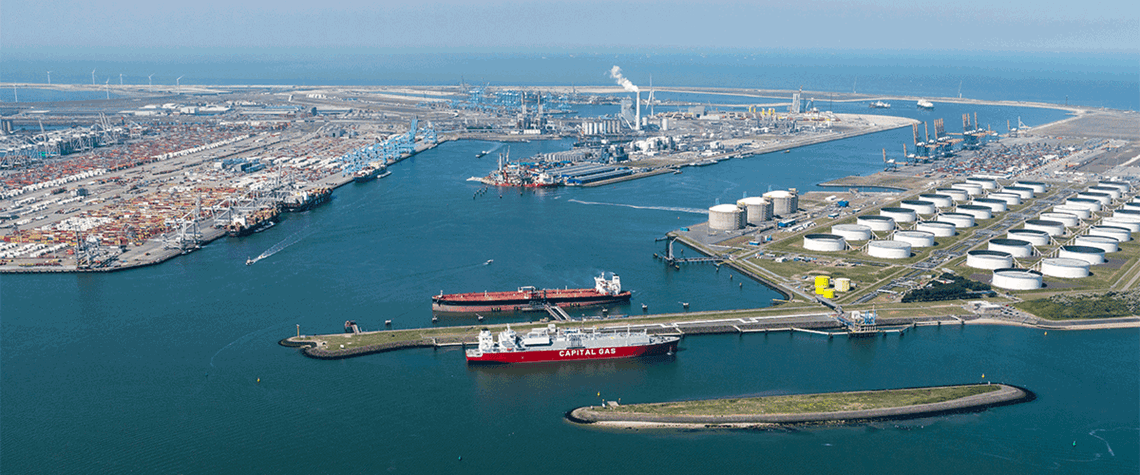
Germany’s Sunfire has installed the world’s first multi-megawatt solid-oxide electrolyser at Finnish firm Neste’s refinery in Rotterdam as part of the Multiplhy project. Sunfire has supplied 12 electrolyser modules which have a combined 2.6MW of capacity. The firm’s technology operates at temperatures over 850°C and can use excess heat from industrial processes to convert steam to hydrogen at high efficiency, significantly reducing electricity input. 2.6MW – Multiplhy electrolyser capacity The Multiplhy electrolyser is expected to produce over 60kg/hr of green hydrogen. Neste will integrate hydrogen produced by the electrolyser into on-site production of renewable fuels. The Rotterda

Also in this section
9 March 2026
Hydrogen has not stalled in the UK because the technology does not work. The problem is that the system around it does not yet move at the speed required
4 March 2026
Turmoil in Middle East reminds nascent clean hydrogen sector that its future prospects are dependent on global energy markets and geopolitics
25 February 2026
Low-carbon hydrogen and ammonia development is advancing much more slowly and unevenly than once expected, with high costs and policy uncertainty thinning investment. Meanwhile, surging energy demand is reinforcing the role of natural gas and LNG as the backbone of the global energy system, panellists at LNG2026 said
18 February 2026
Norwegian energy company has dropped a major hydrogen project and paused its CCS expansion plans as demand fails to materialise