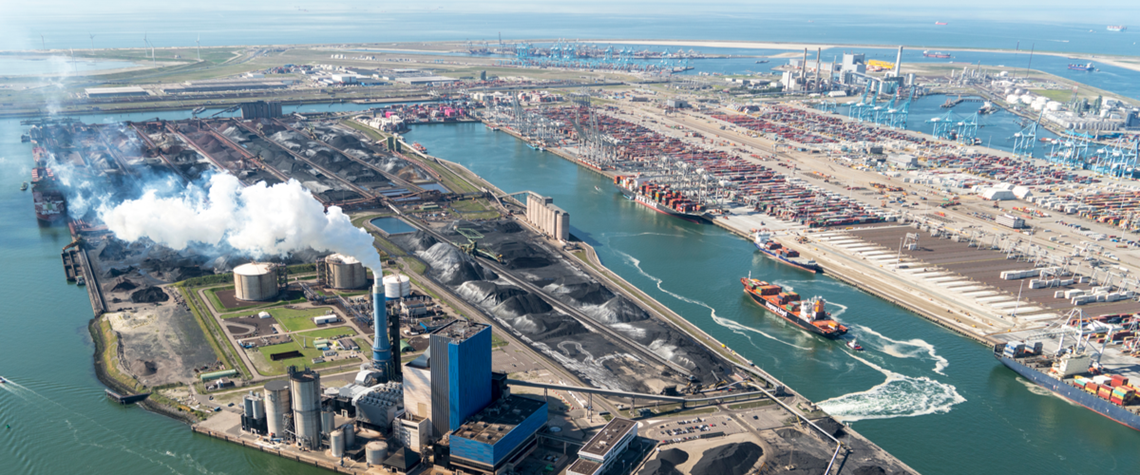
Uniper plans to site the project at the Maasvlakte extension of the port of Rotterdam
Uniper chooses technology for Port of Rotterdam megaproject
The German energy firm aims to bring its first 100MW phase online by 2026
Germany’s Uniper has selected New York-headquartered Plug Power as the electrolyser supplier for its H2Maasvlakte project in the port of Rotterdam, with the aim to commission the first 100MW phase by 2026. The project will expand to 500MW of capacity by 2030. H2Maasvlakte received Important Project of Common European Interest status as part of the €5.2bn ($5.48bn) Hy2use programme announced in September last year. The following month, Uniper contracted France’s Technip Energies to begin Feed work on the project, supported by subsidies from the Dutch Ministry of Economic Affairs and Climate Policy. The Netherlands has set a target of 500MW of installed capacity by 2025, reaching 3–4GW by 2030

Also in this section
9 March 2026
Hydrogen has not stalled in the UK because the technology does not work. The problem is that the system around it does not yet move at the speed required
4 March 2026
Turmoil in Middle East reminds nascent clean hydrogen sector that its future prospects are dependent on global energy markets and geopolitics
25 February 2026
Low-carbon hydrogen and ammonia development is advancing much more slowly and unevenly than once expected, with high costs and policy uncertainty thinning investment. Meanwhile, surging energy demand is reinforcing the role of natural gas and LNG as the backbone of the global energy system, panellists at LNG2026 said
18 February 2026
Norwegian energy company has dropped a major hydrogen project and paused its CCS expansion plans as demand fails to materialise