H<sub>2</sub> shipping approaches viability in ‘niche’ circumstances
Short-haul, scheduled shipping routes will likely be first to switch to hydrogen-powered vessels
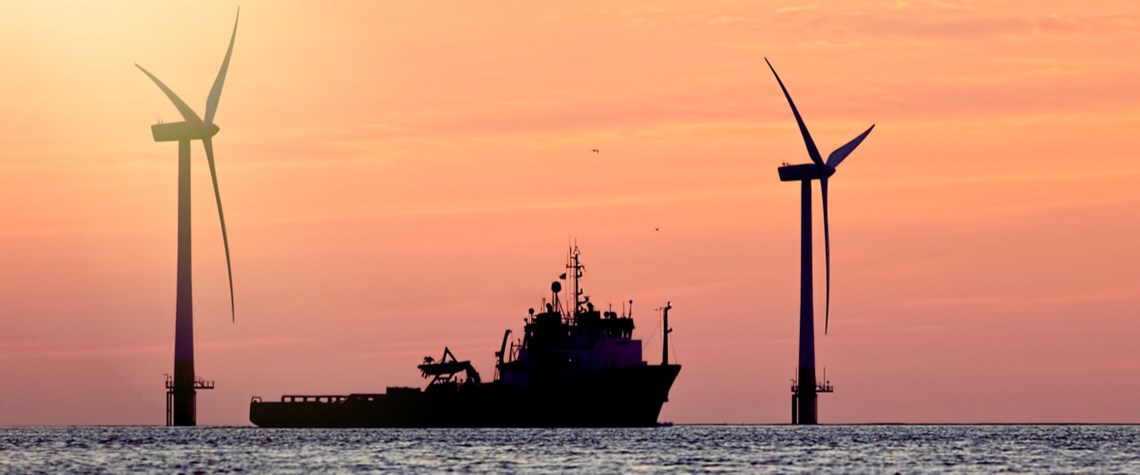
Low-capacity fuel cells, inadequate H2 production and high costs threaten to prevent hydrogen from becoming a viable maritime fuel—but industry experts remain confident these problems can be resolved and, for very limited applications, vessels are already being considered. Shipping typically uses heavy fuel oil or diesel. But the International Maritime Organization aims to cut the industry’s greenhouse gas emissions by at least 50pc by 2050 versus 2008 levels by switching to renewable energy, including hydrogen. Carbon pricing will be crucial in persuading the sector to quit fossil fuels, and the EU is poised to include shipping in its emissions trading system from 2021. This would substanti

Also in this section
4 March 2026
Turmoil in Middle East reminds nascent clean hydrogen sector that its future prospects are dependent on global energy markets and geopolitics
25 February 2026
Low-carbon hydrogen and ammonia development is advancing much more slowly and unevenly than once expected, with high costs and policy uncertainty thinning investment. Meanwhile, surging energy demand is reinforcing the role of natural gas and LNG as the backbone of the global energy system, panellists at LNG2026 said
18 February 2026
Norwegian energy company has dropped a major hydrogen project and paused its CCS expansion plans as demand fails to materialise
4 February 2026
Europe’s largest electrolyser manufacturers are losing patience with policymakers as sluggish growth in the green hydrogen sector undermines their decision to expand production capacity