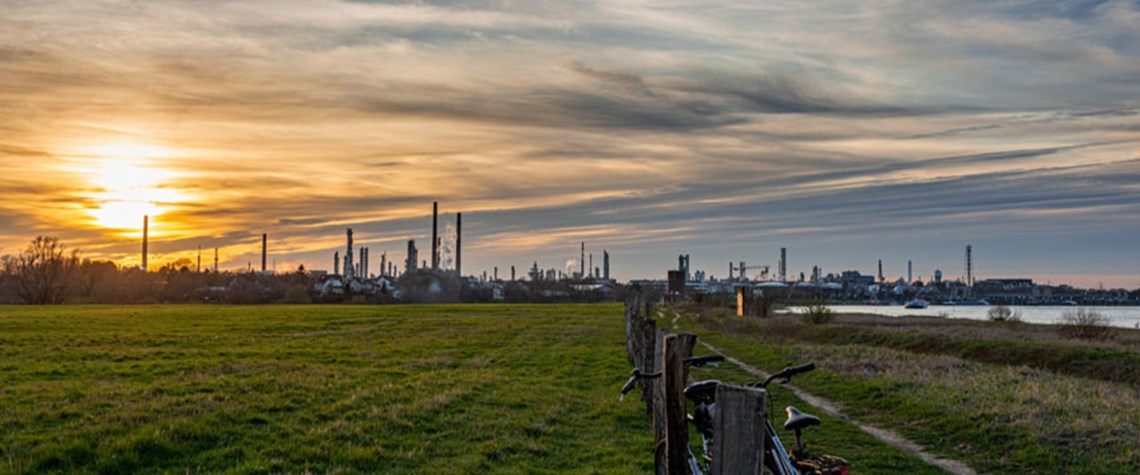
Chempark Dormagen
Germany breaks ground on world’s largest green H<sub>2</sub> storage facility
Hydrogenious is building an 1,800t/yr plant to store green hydrogen using liquid oils and is already eyeing exports to Rotterdam
Construction has started in Germany on the world’s largest project storing green hydrogen using liquid organic hydrogen carriers (LOHC). It is set to start operating in 2023. An industrial site owned by domestic polymer producer Covestro in Dormagen, in Germany’s western state of North Rhine-Westphalia, will become home to a plant capable of storing around 1,800t of green hydrogen a year using benzyltoluene as an LOHC medium, says Hydrogenious LOHC Technologies, the company leading the project. LOHC technology is widely seen as an efficient way to store and transport hydrogen. Liquid oils have high storage density, do not require extreme cooling or heating conditions and are barely flammable

Also in this section
9 March 2026
Hydrogen has not stalled in the UK because the technology does not work. The problem is that the system around it does not yet move at the speed required
4 March 2026
Turmoil in Middle East reminds nascent clean hydrogen sector that its future prospects are dependent on global energy markets and geopolitics
25 February 2026
Low-carbon hydrogen and ammonia development is advancing much more slowly and unevenly than once expected, with high costs and policy uncertainty thinning investment. Meanwhile, surging energy demand is reinforcing the role of natural gas and LNG as the backbone of the global energy system, panellists at LNG2026 said
18 February 2026
Norwegian energy company has dropped a major hydrogen project and paused its CCS expansion plans as demand fails to materialise