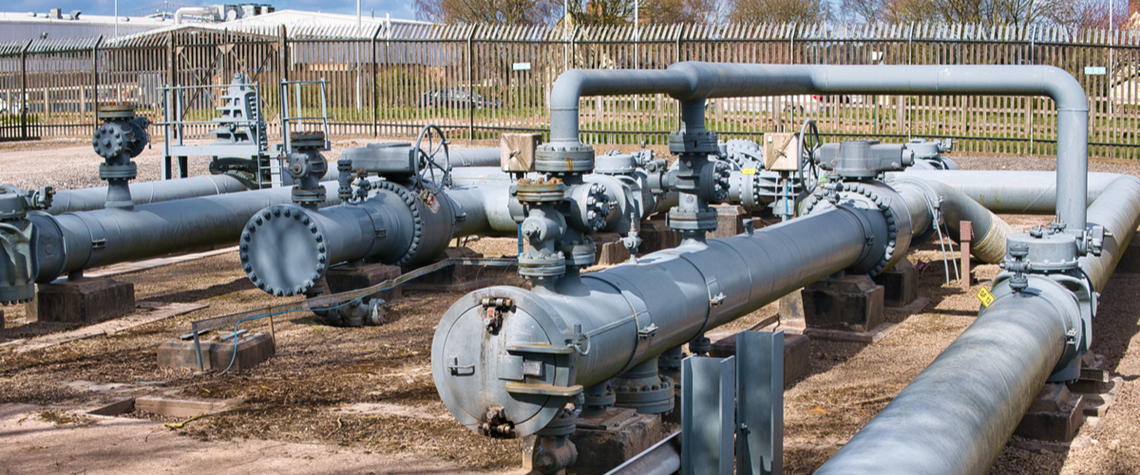
Britain’s gas pipes can carry hydrogen from 2023
UK can blend 20pc hydrogen from 2023 – operators
This proportion of hydrogen in the grid would be possible without upgrades to cookers, boilers or heating systems, says industry body
The UK’s network of gas pipes can be ready to deliver 20pc hydrogen to homes and businesses from 2023, according to the Hydrogen Blending Plan released by gas industry body the Energy Networks Association (ENA). Blending this level of hydrogen into the gas grid would be possible without upgrading any cookers, boilers or heating systems, says the ENA. The body’s deployment plan builds on the findings of the Hydeploy project, which has been blending hydrogen into the public gas network in Gateshead in the northeast of England since summer 2021. But more hydrogen production is needed for the plan to be successful, with the body calling for the UK government to double its domestic 2030 hydrogen

Also in this section
9 March 2026
Hydrogen has not stalled in the UK because the technology does not work. The problem is that the system around it does not yet move at the speed required
4 March 2026
Turmoil in Middle East reminds nascent clean hydrogen sector that its future prospects are dependent on global energy markets and geopolitics
25 February 2026
Low-carbon hydrogen and ammonia development is advancing much more slowly and unevenly than once expected, with high costs and policy uncertainty thinning investment. Meanwhile, surging energy demand is reinforcing the role of natural gas and LNG as the backbone of the global energy system, panellists at LNG2026 said
18 February 2026
Norwegian energy company has dropped a major hydrogen project and paused its CCS expansion plans as demand fails to materialise