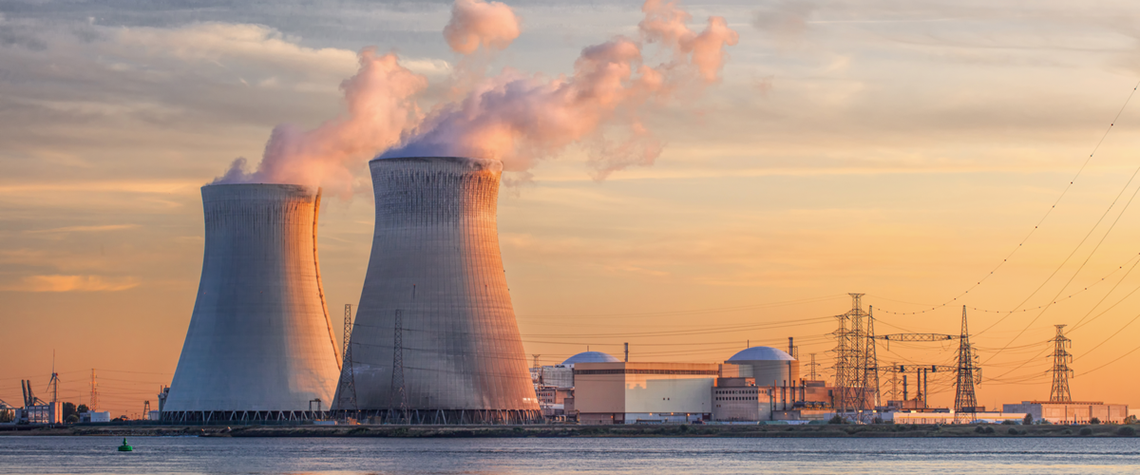
Nuclear power is being phased out in Europe
Nuclear industry eyes key role in hydrogen transition
Sector can produce large amounts of low-carbon hydrogen from electricity or high heat, says lobby group
Pink hydrogen produced by nuclear power could soon be cost-competitive with green and blue hydrogen, according to Brussels-based nuclear industry group Foratom. Nuclear power plants produce large amounts of electricity and heat, both of which can be used to make low-carbon hydrogen. Existing reactors can power electrolysis to produce green hydrogen, while after 2030 thermochemical water-splitting using advanced modular reactors could offer an alternative mode of production. China is also developing very-high-temperature reactors, which can split water into hydrogen and oxygen. "Nuclear power can make a strong contribution to the hydrogen transition. We are talking about large, stable volumes

Also in this section
9 March 2026
Hydrogen has not stalled in the UK because the technology does not work. The problem is that the system around it does not yet move at the speed required
4 March 2026
Turmoil in Middle East reminds nascent clean hydrogen sector that its future prospects are dependent on global energy markets and geopolitics
25 February 2026
Low-carbon hydrogen and ammonia development is advancing much more slowly and unevenly than once expected, with high costs and policy uncertainty thinning investment. Meanwhile, surging energy demand is reinforcing the role of natural gas and LNG as the backbone of the global energy system, panellists at LNG2026 said
18 February 2026
Norwegian energy company has dropped a major hydrogen project and paused its CCS expansion plans as demand fails to materialise