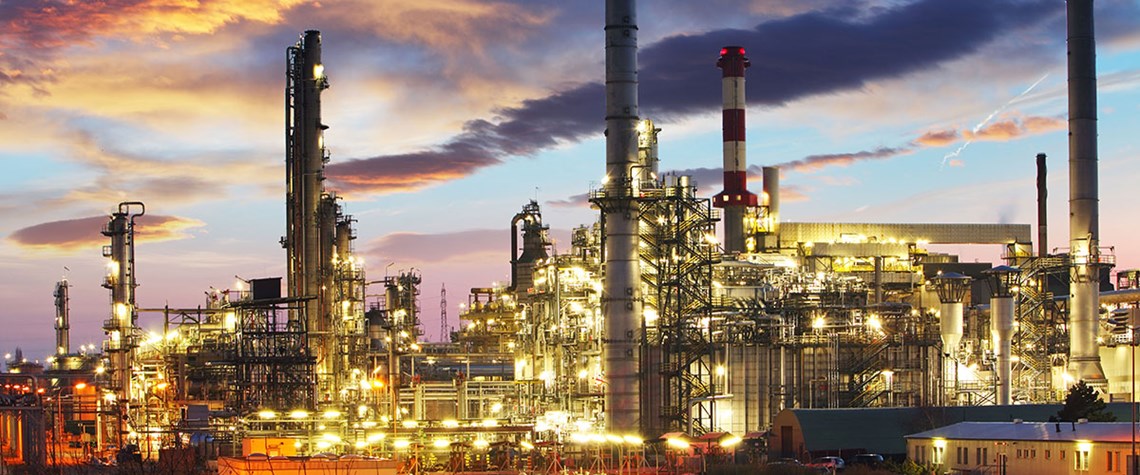
Refining and ammonia sectors have high demand for hydrogen
US law makes green hydrogen competitive ‘in every sector’ – Plug Power
Tax credits for hydrogen production contained in new Inflation Reduction Act make green hydrogen cheaper than grey in all industrial applications, says Plug Power CEO
The new tax credits for hydrogen production in the US will make green hydrogen competitive with grey in every industrial sector where the fuel is used, according to Andy Marsh, CEO of Plug Power. Speaking on the firm’s second-quarter results call, Marsh said the Inflation Reduction Act, passed in the Senate this week, was a “major inflection point” for the green hydrogen industry. The bill provides a tax credit of up to $3/kg for a ten-year period to any green hydrogen generation facility that begins construction before 2033. 20,000t/d – Hydrogen consumed by refining and ammonia industries “For everyone who wants green hydrogen now there is a path that makes it competitive,” says Mar

Also in this section
9 March 2026
Hydrogen has not stalled in the UK because the technology does not work. The problem is that the system around it does not yet move at the speed required
4 March 2026
Turmoil in Middle East reminds nascent clean hydrogen sector that its future prospects are dependent on global energy markets and geopolitics
25 February 2026
Low-carbon hydrogen and ammonia development is advancing much more slowly and unevenly than once expected, with high costs and policy uncertainty thinning investment. Meanwhile, surging energy demand is reinforcing the role of natural gas and LNG as the backbone of the global energy system, panellists at LNG2026 said
18 February 2026
Norwegian energy company has dropped a major hydrogen project and paused its CCS expansion plans as demand fails to materialise