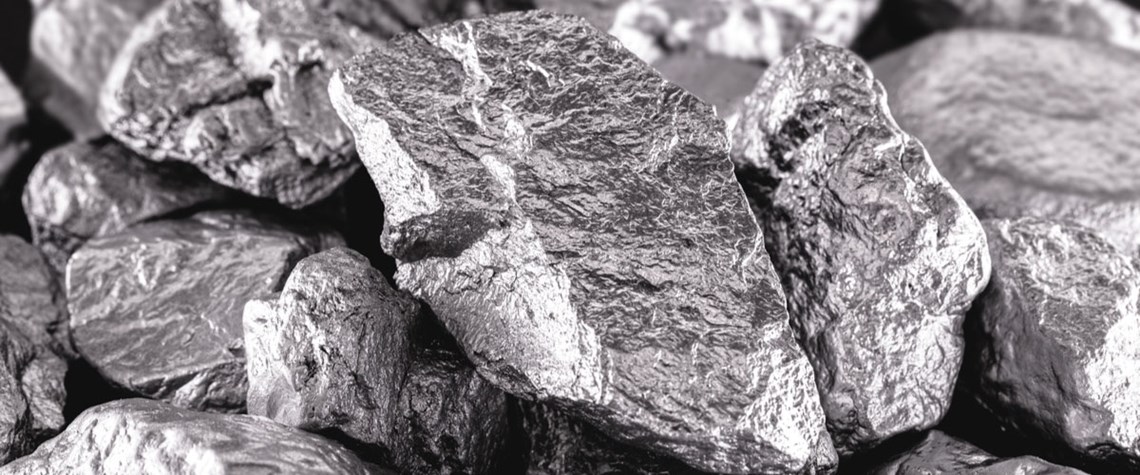
Transition metal derivatives can act as catalysts in fuel cells
US scientists find low-cost catalyst for fuel cells
Cobalt nitride can be used as an electro-catalyst in alkaline fuel cells, Cornell University scientists say
US researchers have found a class of non-precious metal derivatives that can catalyse hydrogen fuel-cell reactions at a much lower cost than platinum. Cobalt nitride can be used in the oxygen reduction reaction (ORR) as an electro-catalyst in alkaline fuel cells. Cobalt is 475 times less expensive than platinum, which is conventionally used in fuel cells, says Professor Hector Abruna of the Department of Chemistry and Chemical Biology at Cornell University. Most fuel cells are acidic. Abruna and his colleagues published their findings in a paper, titled ‘Nonprecious Transition Metal Nitrides as Efficient Oxygen Reduction Electrocatalysts for Alkaline Fuel Cells’, in the peer-reviewed journal

Also in this section
9 March 2026
Hydrogen has not stalled in the UK because the technology does not work. The problem is that the system around it does not yet move at the speed required
4 March 2026
Turmoil in Middle East reminds nascent clean hydrogen sector that its future prospects are dependent on global energy markets and geopolitics
25 February 2026
Low-carbon hydrogen and ammonia development is advancing much more slowly and unevenly than once expected, with high costs and policy uncertainty thinning investment. Meanwhile, surging energy demand is reinforcing the role of natural gas and LNG as the backbone of the global energy system, panellists at LNG2026 said
18 February 2026
Norwegian energy company has dropped a major hydrogen project and paused its CCS expansion plans as demand fails to materialise