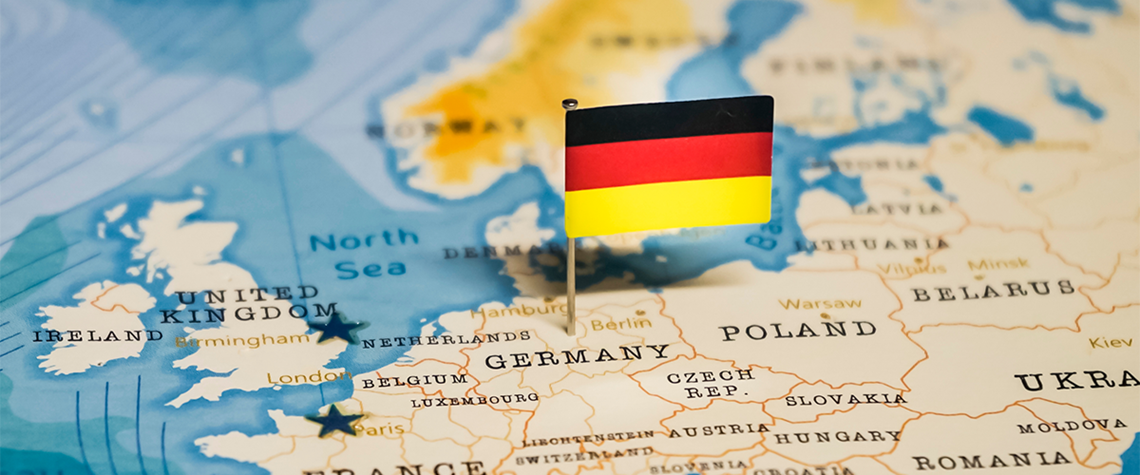
Germany has updated its national hydrogen strategy
German hydrogen strategy faces questions
Issues of supply availability and domestic demand creation raised by an analysts and experts
Germany may struggle to secure enough supply to meet the targets laid out in its recently updated hydrogen strategy, according to analysts. The strategy will see the nation’s hydrogen demand rising from 55TWh currently to 95–130TWh (2.4–3.3m t) by 2030, with 50–70% of that demand to be bet by imports. The smaller tranche of demand to be met by domestic production will require a large expansion of electricity generation from renewable energy, with amendments to the Offshore Wind Energy Act introducing a new 500MW tender for offshore wind-based electrolysis capacity between 2023 and 2028. The updated hydrogen strategy doubles the national expansion target for electrolysis capacity from 5GW to

Also in this section
9 March 2026
Hydrogen has not stalled in the UK because the technology does not work. The problem is that the system around it does not yet move at the speed required
4 March 2026
Turmoil in Middle East reminds nascent clean hydrogen sector that its future prospects are dependent on global energy markets and geopolitics
25 February 2026
Low-carbon hydrogen and ammonia development is advancing much more slowly and unevenly than once expected, with high costs and policy uncertainty thinning investment. Meanwhile, surging energy demand is reinforcing the role of natural gas and LNG as the backbone of the global energy system, panellists at LNG2026 said
18 February 2026
Norwegian energy company has dropped a major hydrogen project and paused its CCS expansion plans as demand fails to materialise