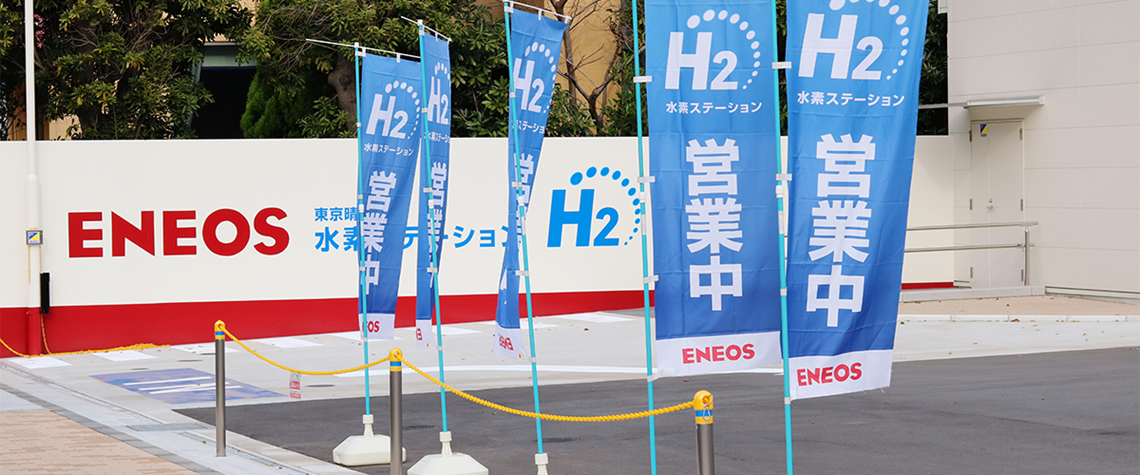
A hydrogen fuelling station in Tokyo
Japan targets Southeast Asia’s hydrogen potential
Government’s decarbonisation drive, deep economic ties and beneficial geography drive investment in the region
Southeast Asia may not have made the most headlines in the race to lead the emerging hydrogen economy, but Japanese firms are certainly eyeing the region’s long-term potential. Roughly half of all hydrogen projects in Southeast Asia since 2020 have had direct Japanese financial involvement, according to research from Columbia University’s Center on Global Energy Policy. Malaysia is one country seeing plenty of activity. Japanese oil firm Eneos, together with trading house Sumitomo, recently announced plans to produce c.90,000t/yr of CO₂-free hydrogen in the Malaysian state of Sarawak. In 2022, Eneos also partnered with state-owned oil giant Petronas to test commercial low-carbon hydrogen pro

Also in this section
9 March 2026
Hydrogen has not stalled in the UK because the technology does not work. The problem is that the system around it does not yet move at the speed required
4 March 2026
Turmoil in Middle East reminds nascent clean hydrogen sector that its future prospects are dependent on global energy markets and geopolitics
25 February 2026
Low-carbon hydrogen and ammonia development is advancing much more slowly and unevenly than once expected, with high costs and policy uncertainty thinning investment. Meanwhile, surging energy demand is reinforcing the role of natural gas and LNG as the backbone of the global energy system, panellists at LNG2026 said
18 February 2026
Norwegian energy company has dropped a major hydrogen project and paused its CCS expansion plans as demand fails to materialise