


1 November 2017
Germany's smart connections
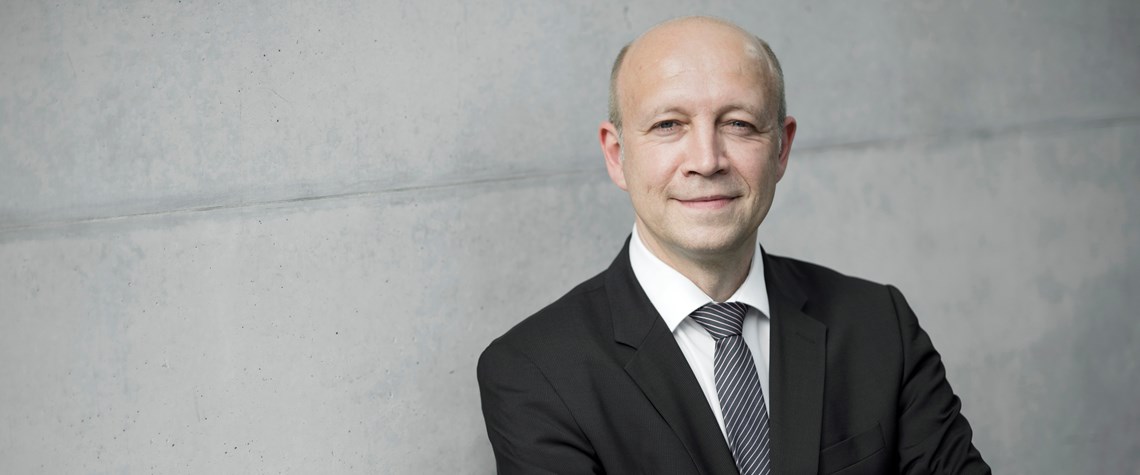
The global energy system is entering a new, more collaborative phase. And Germany is leading the change, explains Andreas Kuhlmann, Chief Executive of the Deutsche Energie-Agentur (DENA)
Energy transition is entering a new phase. This is especially apparent in countries like Germany, where renewable sources of energy have already gained a considerable foothold in the market. The question now is, how do we get all the different parts of the energy system connected in a smart way? And how do we foster innovation that serves this cause? The term "energy transition"—or Energiewende as we say in German—refers to a major change in our energy system. In Germany, it started at some point in the 1980s, through developing alternative energy scenarios and producing power from wind and solar. A real push came in 2000, when Germany passed the feed-in tariff law—known as the Renewable Ene

Also in this section
13 March 2026
Brussels is again weighing a cap on gas prices amid the Hormuz crisis, but the measure could backfire by deterring the LNG cargoes Europe urgently needs
12 March 2026
Emergency oil stocks provide a last line of defence to oil market shocks, so the IEA’s unprecedented 400m bl release represents something of a double-edged sword
12 March 2026
LPG could rapidly expand access to clean cooking across Africa and prevent hundreds of thousands of deaths from indoor air pollution each year, but infrastructure shortages and regulatory barriers are slowing investment and market growth
11 March 2026
Missiles over Dubai and disruption in Hormuz are testing the emirate’s reputation—and shaking the energy hub at the centre of the Gulf economy


