


Newsletters | Request Trial | Log in | Advertise | Digital Issue   |   Search
  • Upstream
  • Midstream & Downstream
  • Gas & LNG
  • Trading & Markets
  • Corporate & Finance
  • Geopolitics
  • Podcasts
Search
Related Articles
Outlook 2006: The North Sea’s next chapter – From backbone to blueprint
The next five years will be critical for the North Sea, and it will be policy not geology that will decide the basin’s future
A tale of two regulatory landscapes: the UK and Norway
The stark contrasts between the UK and Norway demonstrate how policy stability can shape the long-term trajectory of a mature basin
Equinor: Keeping offshore
The Norwegian NOC has used its offshore oil and gas prowess to expand into offshore wind, but project setbacks and lower returns are a concern for investors
Bleak times for UK North Sea
Government consultations on the windfall tax and the exploration licence ban are positive steps, but it is unclear how long it will take for them to yield tangible outcomes
Sverdrup keeps on giving
Equinor and its partners at Norway’s largest oilfield have pulled the trigger on a fresh $1.3b investment that will maintain high output for longer
The death knell for UK energy security
The end of Grangemouth and Lindsey oil refineries marks a worrying trend across Europe amid cost and transition pressures
EU and UK look to security beyond gas
The scars of the Russia crisis have accelerated Europe’s push to wean itself off gas dependence as the growing globalisation of LNG becomes a double-edged sword
Can the UK take its foot off the gas?
While the government might complain about the vicissitudes of the international gas market, the UK's transition away from the fuel is fraught with challenges
Norway may have already reached peak oil supply
Castberg may not be enough to offset declines in other fields, while its vastly different quality has far-reaching implications for buyers
Hydrocarbon Processing Refining Databook 2025: Europe, Russia & CIS
EU net-zero polices have shifted refining investment among member states, while across the region countries and companies continue to adjust to changes in trade flows caused by the war in Ukraine
Neptune Energy's gas focus in its portfolio could be a potential selling point
North Sea Norway UK Neptune Energy Lundin
Peter Ramsay
3 December 2021
Follow @PetroleumEcon
Forward article link
Share PDF with colleagues

North Sea independents aim to reap carbon footprint benefits

Two of the basin’s larger producers consider ways to cash in on relatively greener production

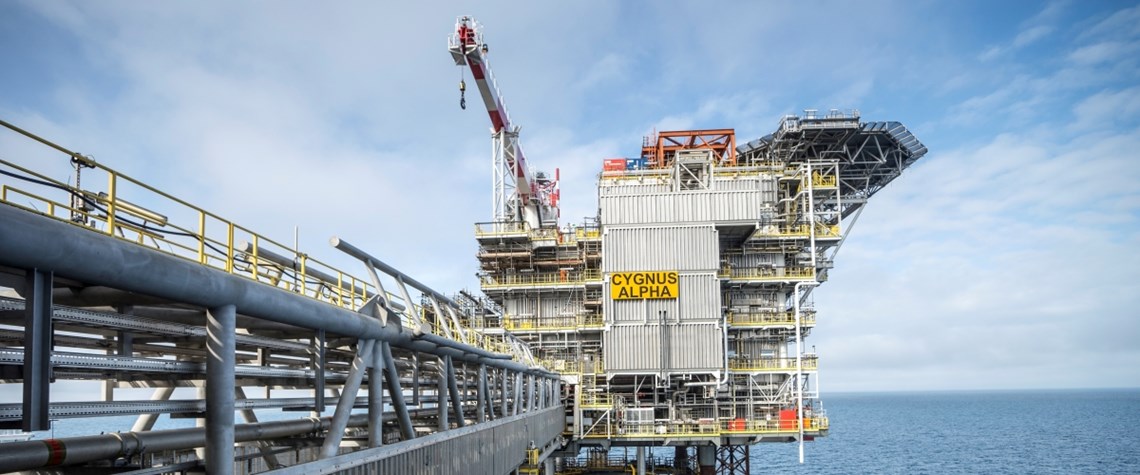
Sweden-headquartered Norwegian continental shelf operator Lundin Energy and the UK’s Neptune Energy both found themselves the subjects of takeover rumours in late November. The very low carbon footprint of the former’s oil—due to most of it coming from modern developments powered by renewable electricity from the Norwegian grid—and the gas focus of the latter’s portfolio are seen as key potential selling points. Lundin “has noted recent speculation in the markets”, the firm said after its share price jumped by more than 10pc on 29 November. “The company continuously engages in opportunities that are potentially value-accretive to its shareholders. In that context, the company does at times h

Also in this section
The spectre of a European gas price cap returns
13 March 2026
Brussels is again weighing a cap on gas prices amid the Hormuz crisis, but the measure could backfire by deterring the LNG cargoes Europe urgently needs
Letter from London: The oil market should panic tomorrow
12 March 2026
Emergency oil stocks provide a last line of defence to oil market shocks, so the IEA’s unprecedented 400m bl release represents something of a double-edged sword
LPG in Africa: Big potential but big barriers
Opinion
12 March 2026
LPG could rapidly expand access to clean cooking across Africa and prevent hundreds of thousands of deaths from indoor air pollution each year, but infrastructure shortages and regulatory barriers are slowing investment and market growth
Letter from Dubai: A safe haven under fire
Opinion
11 March 2026
Missiles over Dubai and disruption in Hormuz are testing the emirate’s reputation—and shaking the energy hub at the centre of the Gulf economy

Share PDF with colleagues

COPYRIGHT NOTICE: PDF sharing is permitted internally for Petroleum Economist Gold Members only. Usage of this PDF is restricted by <%= If(IsLoggedIn, User.CompanyName, "")%>’s agreement with Petroleum Economist – exceeding the terms of your licence by forwarding outside of the company or placing on any external network is considered a breach of copyright. Such instances are punishable by fines of up to US$1,500 per infringement
Send

Forward article Link

Send
Sign Up For Our Newsletter
Project Data
Maps
Podcasts
Social Links
Featured Video
Home
  • About us
  • Subscribe
  • Reaching your audience
  • PE Store
  • Terms and conditions
  • Contact us
  • Privacy statement
  • Cookies
  • Sitemap
All material subject to strictly enforced copyright laws © 2025 The Petroleum Economist Ltd
Cookie Settings
;

Search
