


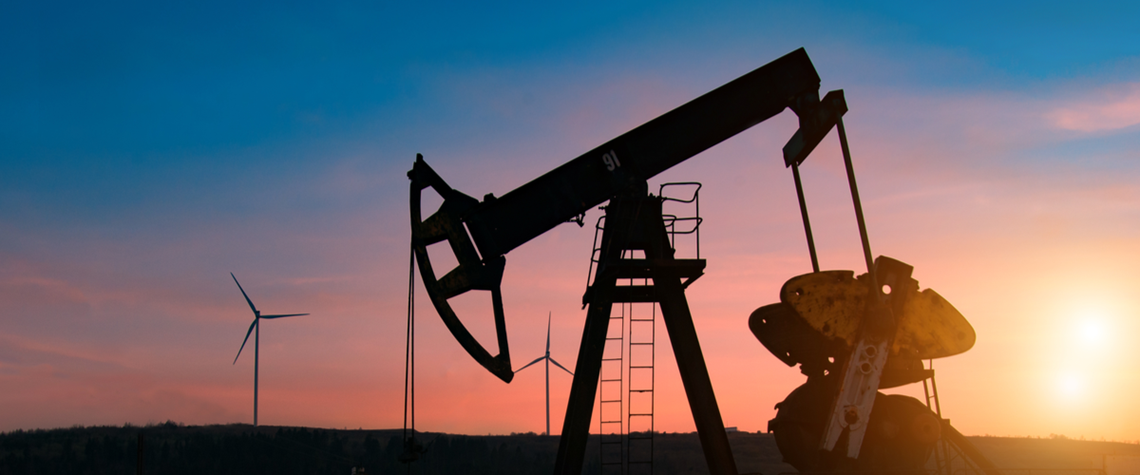
Oil majors are adopting various strategies for the energy transition
Outlook 2022: The future of oil majors in the energy transition
The big oil and gas companies are faced with the prospect of losing a large part of their market as the world transitions away from fossil fuels. Can they carve out a positive role for themselves?
Oil supply will increase by 6pc by 2030 under stated government policies, but decline by 27pc in a scenario leading to net zero by 2050, according to the IEA. For gas, the figures are plus 10pc and minus 9pc. That is a wide range of uncertainty. And stated government policies would require an investment of nearly $700bn/yr in upstream oil from 2030—well above current levels—whereas on the net-zero-by-2050 trajectory there will be no need for investment in new fields. With reasonable optimism about global progress in converting to clean energy, a tipping point will eventually occur when prices will decline closer to the production costs of the lowest-cost fields, mainly in Opec countries. Tha

Also in this section
13 March 2026
Brussels is again weighing a cap on gas prices amid the Hormuz crisis, but the measure could backfire by deterring the LNG cargoes Europe urgently needs
12 March 2026
Emergency oil stocks provide a last line of defence to oil market shocks, so the IEA’s unprecedented 400m bl release represents something of a double-edged sword
12 March 2026
LPG could rapidly expand access to clean cooking across Africa and prevent hundreds of thousands of deaths from indoor air pollution each year, but infrastructure shortages and regulatory barriers are slowing investment and market growth
11 March 2026
Missiles over Dubai and disruption in Hormuz are testing the emirate’s reputation—and shaking the energy hub at the centre of the Gulf economy


