


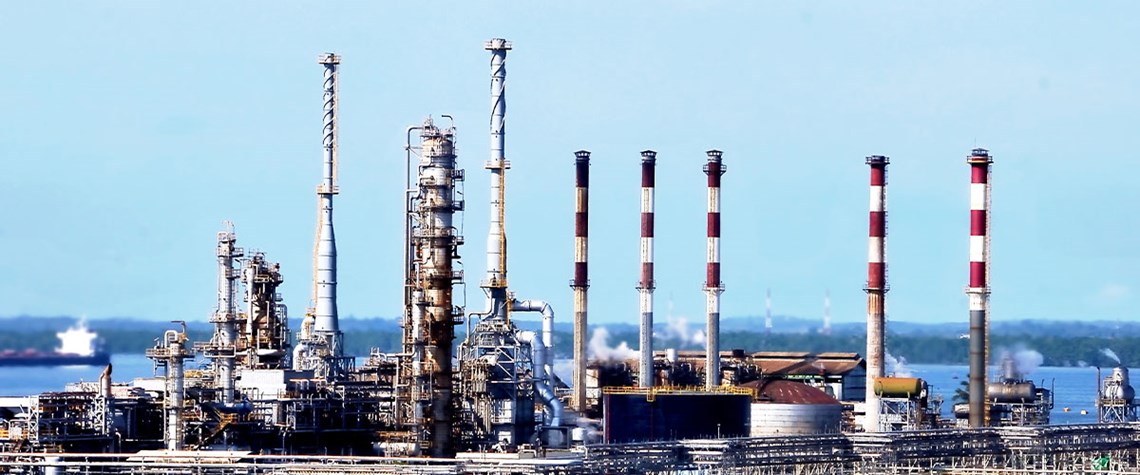
Pertamina’s Balikpapan refinery
Southeast Asian NOCs plot divergent transition strategies
The three most prominent NOCs in Southeast Asia will play to their individual strengths as they seek to decarbonise, with each company looking to capitalise on opportunities in their local markets
Malaysia’s Petronas, Indonesia’s Pertamina and Thailand’s PTT have been tasked by their respective governments to safeguard and monetise their nation’s hydrocarbons resources while ensuring energy security. At the same time, Indonesia, Malaysia and Thailand have all announced net-zero targets. As the largest state-owned enterprise in each country, the NOCs will play an outsize role in how their governments will reduce emissions in the coming decades. And that could result in a conflict between achieving these potentially converse strategic goals. Each company has embarked on lower-carbon pathways and outlined individual decarbonisation ambitions. Petronas targets net-zero emissions by 2050,

Also in this section
13 March 2026
Brussels is again weighing a cap on gas prices amid the Hormuz crisis, but the measure could backfire by deterring the LNG cargoes Europe urgently needs
12 March 2026
Emergency oil stocks provide a last line of defence to oil market shocks, so the IEA’s unprecedented 400m bl release represents something of a double-edged sword
12 March 2026
LPG could rapidly expand access to clean cooking across Africa and prevent hundreds of thousands of deaths from indoor air pollution each year, but infrastructure shortages and regulatory barriers are slowing investment and market growth
11 March 2026
Missiles over Dubai and disruption in Hormuz are testing the emirate’s reputation—and shaking the energy hub at the centre of the Gulf economy


