


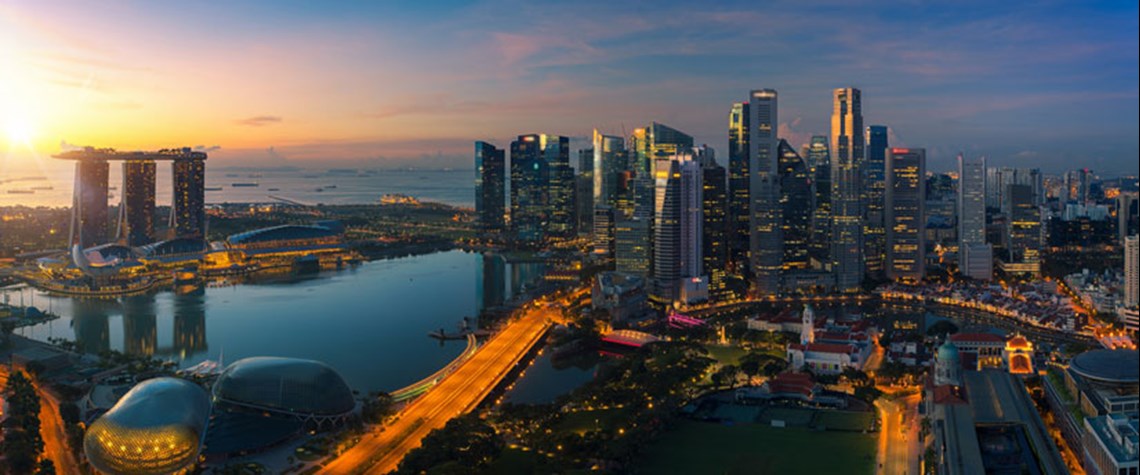
Singapore has ambitions to become an LNG bunkering hub
BP and Singapore’s Pavilion ink LNG supply deal
BP and a Temasek subsidiary sign a long-term LNG supply deal with a full-cycle emissions ambition
BP will supply Pavilion Energy—a subsidiary of Singapore’s state-owned Temasek—with 800,000t/yr of LNG for ten years from 2024. The long-term sales-and-purchase agreement will see the LNG delivered to Singapore. The partners plan "to co-develop and implement a greenhouse gas (GHG) quantification and reporting methodology” for LNG cargoes “from wellhead to discharge terminal”. Quantifying emissions is the first step towards “a lower carbon future... [and carbon] reduction and offsets for Singapore”, Pavilion Energy CEO Frederic Barnaud says, while BP cites its stated ambition “to be a net zero company by 2050 or sooner”. Pavilion Energy is involved in LNG trading, shipping and storage, as wel

Also in this section
13 March 2026
Brussels is again weighing a cap on gas prices amid the Hormuz crisis, but the measure could backfire by deterring the LNG cargoes Europe urgently needs
12 March 2026
Emergency oil stocks provide a last line of defence to oil market shocks, so the IEA’s unprecedented 400m bl release represents something of a double-edged sword
12 March 2026
LPG could rapidly expand access to clean cooking across Africa and prevent hundreds of thousands of deaths from indoor air pollution each year, but infrastructure shortages and regulatory barriers are slowing investment and market growth
11 March 2026
Missiles over Dubai and disruption in Hormuz are testing the emirate’s reputation—and shaking the energy hub at the centre of the Gulf economy


