


Drilling ban spooks Gulf of Mexico
A long-term federal waters embargo would trigger severe production losses in the region, forcing firms to withdraw capital
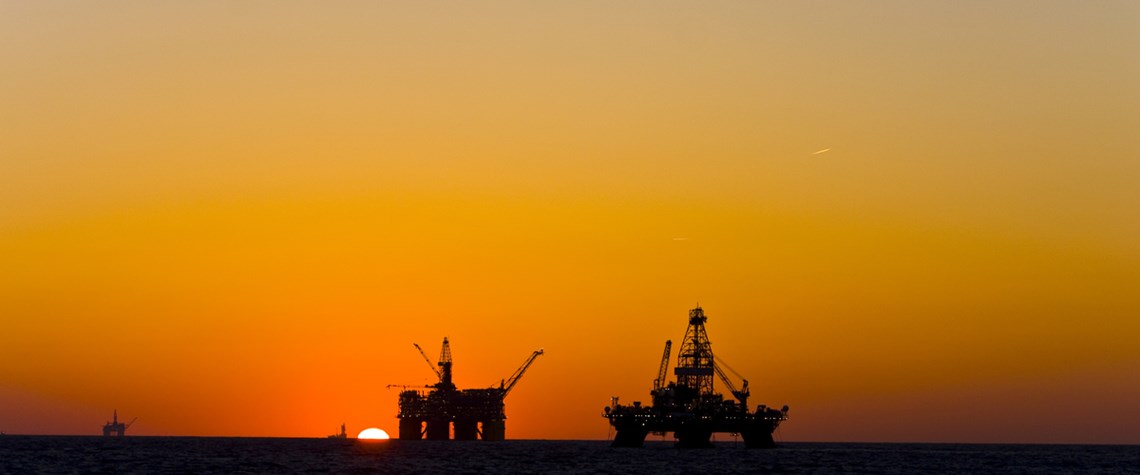
An extended US federal lease ban preventing new offshore drilling in the Gulf of Mexico would have significant consequences for the long-term future of the region, disrupting operator strategies and sinking output drastically over the next decade. Under this scenario, natural declines in the Gulf of Mexico would sharply set in as operators work through their inventories and reallocate capital to domestic onshore projects—either to non-federal land or acreage already sanctioned—or to international assets. Consultancy Rystad Energy estimates that an offshore drilling ban lasting two presidential terms would reduce production by up to 200,000bl/d by 2030. A ban lasting just one term would hurt

Also in this section
13 March 2026
Brussels is again weighing a cap on gas prices amid the Hormuz crisis, but the measure could backfire by deterring the LNG cargoes Europe urgently needs
12 March 2026
Emergency oil stocks provide a last line of defence to oil market shocks, so the IEA’s unprecedented 400m bl release represents something of a double-edged sword
12 March 2026
LPG could rapidly expand access to clean cooking across Africa and prevent hundreds of thousands of deaths from indoor air pollution each year, but infrastructure shortages and regulatory barriers are slowing investment and market growth
11 March 2026
Missiles over Dubai and disruption in Hormuz are testing the emirate’s reputation—and shaking the energy hub at the centre of the Gulf economy


