


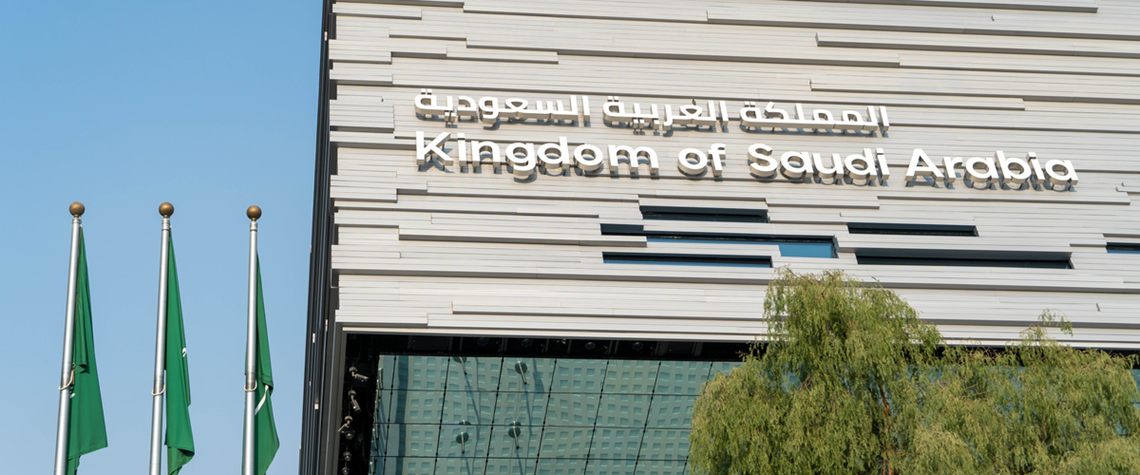
The Kingdom has a backlog of large-scale gas projects planned to boost supply
Letter from the Middle East: Gas businesses see swift evolution
Self-sufficiency targets and opportunities to shift to renewables are driving big upsurge in gas production
The Mideast Gulf’s major NOCs and partners have invested heavily over the last decade to boost domestic gas output and avoid strained supplies. They are now seeing the fruits of those efforts. But the game has changed yet again: new gas has to dovetail with renewables and drive exports of LNG and—possibly—hydrogen. The largest projects are all in Saudi Arabia and the UAE. Saudi Arabia’s electricity plans call for oil generation to be phased out and replaced with an equal mix of gas and renewables, an important step towards its 2060 net-zero carbon commitment. For conventional gas, the 1bn ft³/d (28.3mn³/d) Hawiyah gas plant should be completed in 2022 and the 2.5bn ft³/d Tanajib facility in

Also in this section
13 March 2026
Brussels is again weighing a cap on gas prices amid the Hormuz crisis, but the measure could backfire by deterring the LNG cargoes Europe urgently needs
12 March 2026
Emergency oil stocks provide a last line of defence to oil market shocks, so the IEA’s unprecedented 400m bl release represents something of a double-edged sword
12 March 2026
LPG could rapidly expand access to clean cooking across Africa and prevent hundreds of thousands of deaths from indoor air pollution each year, but infrastructure shortages and regulatory barriers are slowing investment and market growth
11 March 2026
Missiles over Dubai and disruption in Hormuz are testing the emirate’s reputation—and shaking the energy hub at the centre of the Gulf economy


