


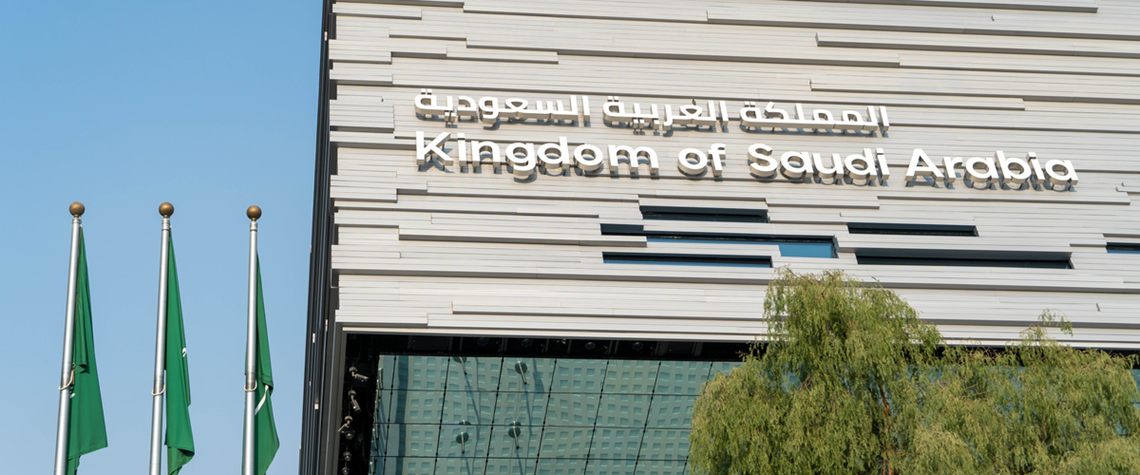
The Kingdom has a backlog of large-scale gas projects planned to boost supply
Letter from the Middle East: Gas businesses see swift evolution
Self-sufficiency targets and opportunities to shift to renewables are driving big upsurge in gas production
The Mideast Gulf’s major NOCs and partners have invested heavily over the last decade to boost domestic gas output and avoid strained supplies. They are now seeing the fruits of those efforts. But the game has changed yet again: new gas has to dovetail with renewables and drive exports of LNG and—possibly—hydrogen. The largest projects are all in Saudi Arabia and the UAE. Saudi Arabia’s electricity plans call for oil generation to be phased out and replaced with an equal mix of gas and renewables, an important step towards its 2060 net-zero carbon commitment. For conventional gas, the 1bn ft³/d (28.3mn³/d) Hawiyah gas plant should be completed in 2022 and the 2.5bn ft³/d Tanajib facility in

Also in this section
28 April 2026
The key energy player faces balancing regional routes, political complexities, and creating a clear strategic vision for energy security
24 April 2026
The European Commission’s response to the Middle East crisis is to double down on its transition strategy, with plans for a new target on electrification
24 April 2026
A major new discovery by Eni and BP that can likely be fast-tracked to production is welcome news for Egypt as it scrambles to plug a widening supply gap and deal with rising import risks
24 April 2026
Countries in the region are turning to the cleaner-burning fuel for power generation, driving demand for imports


