


Letter from the Middle East: Qatar rapprochement could bring gas benefits
Greater GCC harmony might offer an opportunity to untangle some of the Middle East’s notoriously illogical gas dynamics, but LNG looks more promising than pipelines
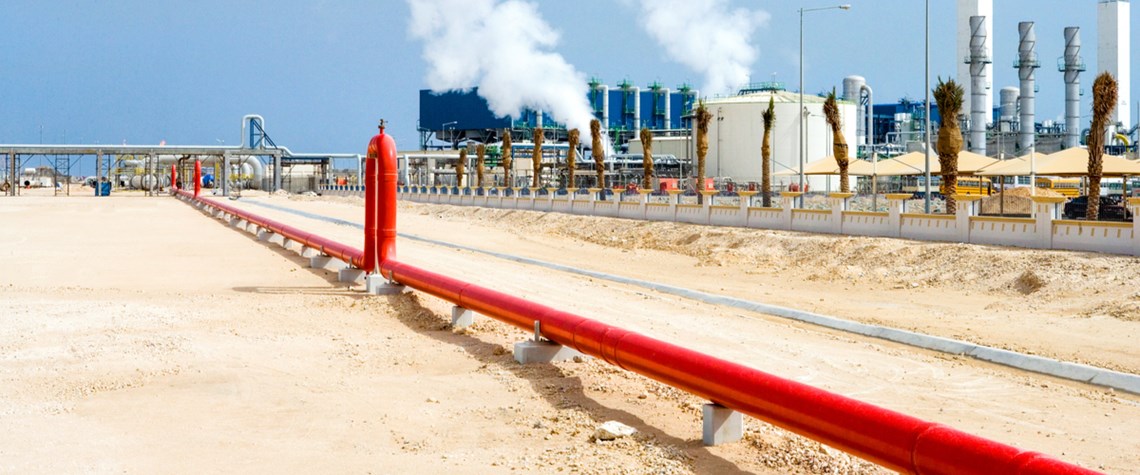
The Mid-East Gulf’s big political rift has ended with something more than a truce and less than a reconciliation. Three-and-a-half years after Saudi Arabia, the UAE, Bahrain and others announced an embargo on Qatar, diplomatic relations were restored in early January. Although underlying issues have not been resolved, a return to normal trade is promising for the gas business. Pipeline complications In the early 2000s, Qatar had ambitious plans to export some of its huge reserves by pipeline to its Gulf Cooperation Council (GCC) neighbours. But, after Saudi Arabia blocked a proposed pipeline to Kuwait that would have run through its territorial waters, only the Dolphin pipeline—which has a c

Also in this section
13 March 2026
Brussels is again weighing a cap on gas prices amid the Hormuz crisis, but the measure could backfire by deterring the LNG cargoes Europe urgently needs
12 March 2026
Emergency oil stocks provide a last line of defence to oil market shocks, so the IEA’s unprecedented 400m bl release represents something of a double-edged sword
12 March 2026
LPG could rapidly expand access to clean cooking across Africa and prevent hundreds of thousands of deaths from indoor air pollution each year, but infrastructure shortages and regulatory barriers are slowing investment and market growth
11 March 2026
Missiles over Dubai and disruption in Hormuz are testing the emirate’s reputation—and shaking the energy hub at the centre of the Gulf economy


