


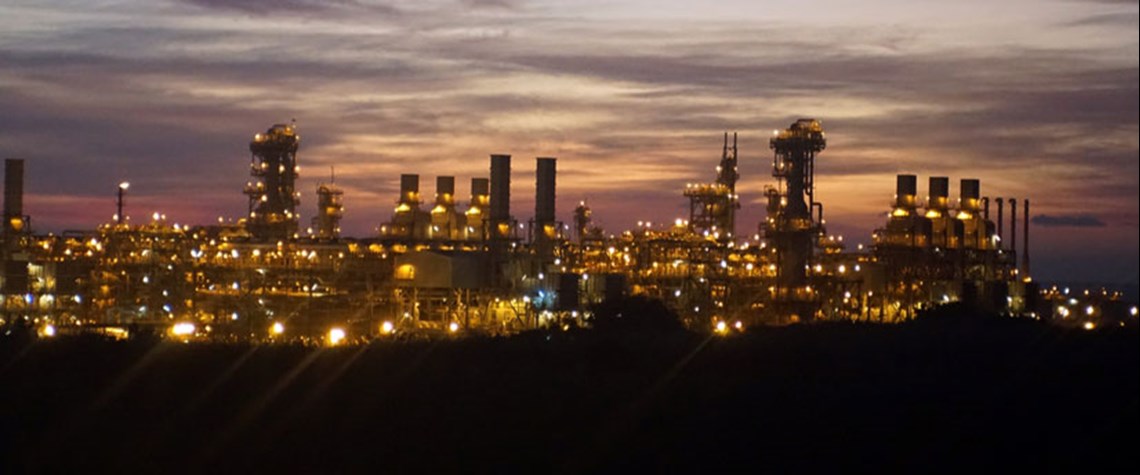
The Pasca A and P’Nyang developments are now in doubt
Papua New Guinea risks LNG ambitions
The county’s negotiating tactics are damaging its reputation among developers
Papua New Guinea’s clumsy attempts to secure greater returns from LNG projects continue to discourage investors, particularly as the country was already seen as challenging given its difficult terrain, limited infrastructure, frequent civil unrest, high level of corruption and potential for earthquakes. At least one major development—the Total-operated 5.33mn t/yr Papua LNG scheme—remains on track in the resource-rich island nation, while a smaller scheme—Pasca A—has become the latest project thrown into doubt by government negotiation tactics. The Papua LNG partners—comprising France’s Total (40.1pc), ExxonMobil-subsidiary InterOil (36.5pc) and ASX-listed Oil Search (22.8pc)—signed a fis

Also in this section
28 April 2026
Oil traders warning of $200/bl oil are wrong, and the market should be wary of proclamations that the impact of the oil shortage has only begun to be felt and a that a ‘harsh adjustment’ is coming—even for industrialised nations
28 April 2026
Restoring supply from Saudi Arabia, the UAE, Kuwait, Qatar, Bahrain and Iraq involves complexities far beyond simply adjusting operational controls
28 April 2026
Datacentres will guzzle power at a ferocious rate, but the impact on wider energy markets will be far more complex than previously thought
28 April 2026
The key energy player faces balancing regional routes, political complexities, and creating a clear strategic vision for energy security


