


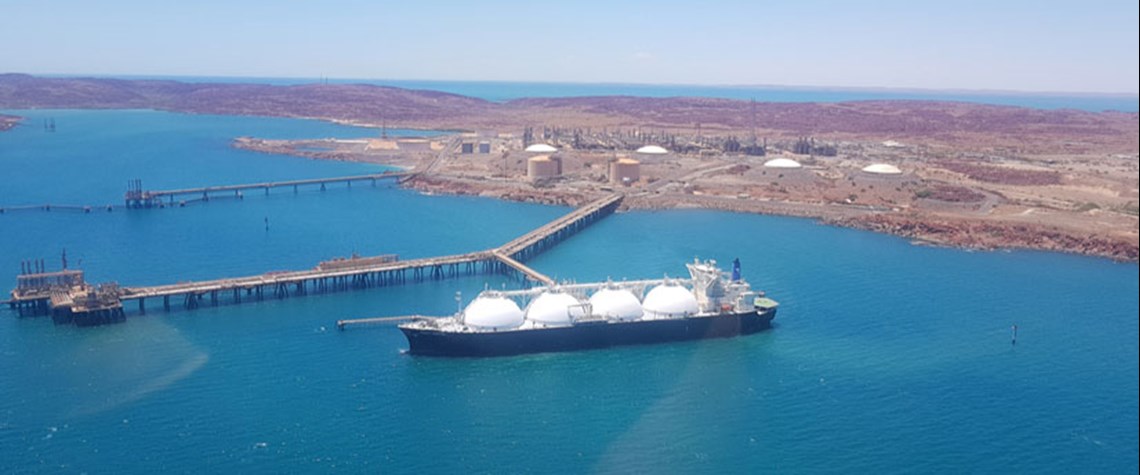
LNG ship taking on cargo in WA
Woodside commits to Pluto LNG carbon reduction
The Australian firm plans to achieve net-zero emissions from its Pluto LNG project in Western Australia by 2050
Australia’s Woodside Energy has set an interim target of abating 30pc of greenhouse gas (GHG) emissions from its Pluto LNG project by 2030 and 100pc by 2050. These targets deal only with the facility’s direct and indirect emissions (scope one and two) and does not include emissions generated when the exported LNG is consumed (scope three). Woodside’s targets are part of its revised Pluto Greenhouse Gas Abatement Program (GGAP), which was updated to account for the planned addition of a second liquefaction train. The Western Australia (WA) government has approved the plan. The company aims to reach FID on developing the Scarborough gas field, which will underpin the second train, before the e

Also in this section
13 March 2026
Brussels is again weighing a cap on gas prices amid the Hormuz crisis, but the measure could backfire by deterring the LNG cargoes Europe urgently needs
12 March 2026
Emergency oil stocks provide a last line of defence to oil market shocks, so the IEA’s unprecedented 400m bl release represents something of a double-edged sword
12 March 2026
LPG could rapidly expand access to clean cooking across Africa and prevent hundreds of thousands of deaths from indoor air pollution each year, but infrastructure shortages and regulatory barriers are slowing investment and market growth
11 March 2026
Missiles over Dubai and disruption in Hormuz are testing the emirate’s reputation—and shaking the energy hub at the centre of the Gulf economy


