


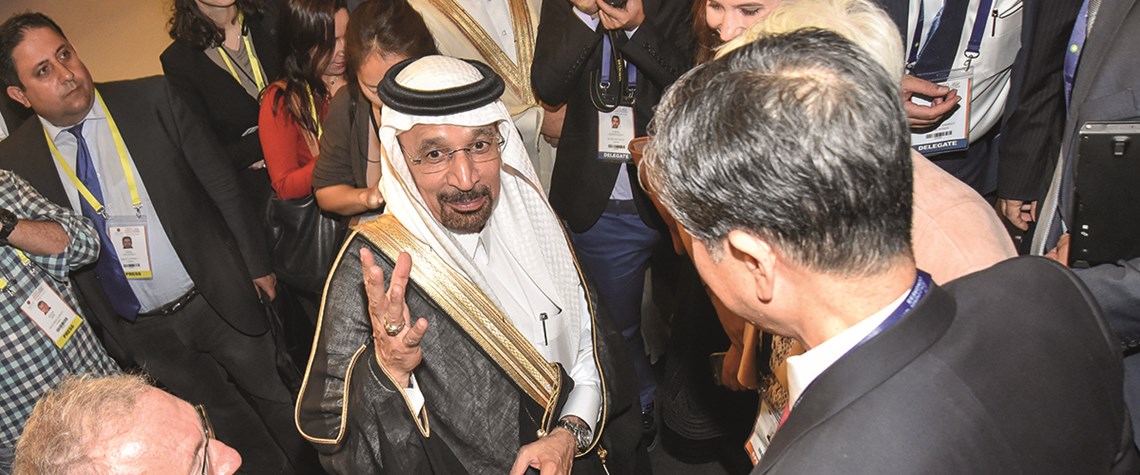
End of the war for Opec
In the end, the fiscal pressures and income loss were too great for Opec’s members to bear—and the rewards of the market-share strategy too meagre
In January 2015, Oman's urbane oil minister could barely hide his contempt. Just two months earlier, at Opec's fateful November 2014 meeting, the group-of which Oman is not a member-had stared at a weakening oil market and decided to do nothing. In the memorable words of one Saudi oil adviser, the kingdom had decided to "take its hand off the tiller". But Mohammed al-Rumhy was having none of it. "I really fail to understand how market share became more important than revenue," he said from the podium of a Petroleum Economist conference in Kuwait City. "We have created volatility-and volatility is one of those words that's bad for business." It was "politics that I don't understand". Lots of

Also in this section
13 March 2026
Brussels is again weighing a cap on gas prices amid the Hormuz crisis, but the measure could backfire by deterring the LNG cargoes Europe urgently needs
12 March 2026
Emergency oil stocks provide a last line of defence to oil market shocks, so the IEA’s unprecedented 400m bl release represents something of a double-edged sword
12 March 2026
LPG could rapidly expand access to clean cooking across Africa and prevent hundreds of thousands of deaths from indoor air pollution each year, but infrastructure shortages and regulatory barriers are slowing investment and market growth
11 March 2026
Missiles over Dubai and disruption in Hormuz are testing the emirate’s reputation—and shaking the energy hub at the centre of the Gulf economy


