


Germany’s Energiewende blowin’ in the wind
The direction of the country's energy transition policy remains unclear following the general election
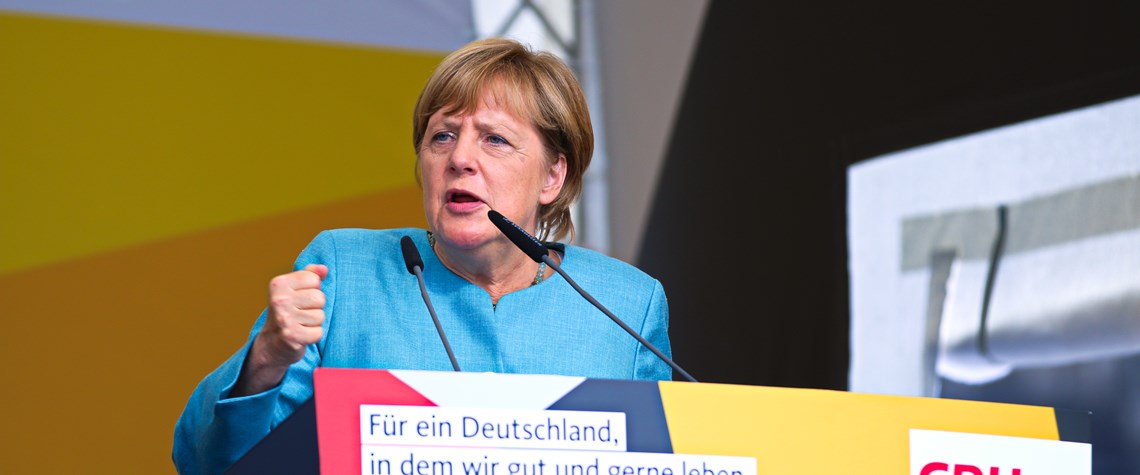
Germany's federal elections on 24 September saw no changes at the top as Angela Merkel retained the Chancellorship. But the nature of the country's future energy policy will be shaped by the horse trading currently taking place to decide which parties will be in the ruling coalition. To govern, Merkel's centre-right Christian Democratic Union needs to form a coalition with one or two of a handful of smaller parties. That involves trying to get politicians with diverse views on board—probably the leaders of the Greens and the Free Democratic Party. Those talks have barely started, with the CDU still struggling to agree the common policy platform with its sister party in Bavaria, the Christian

Also in this section
13 March 2026
Brussels is again weighing a cap on gas prices amid the Hormuz crisis, but the measure could backfire by deterring the LNG cargoes Europe urgently needs
12 March 2026
Emergency oil stocks provide a last line of defence to oil market shocks, so the IEA’s unprecedented 400m bl release represents something of a double-edged sword
12 March 2026
LPG could rapidly expand access to clean cooking across Africa and prevent hundreds of thousands of deaths from indoor air pollution each year, but infrastructure shortages and regulatory barriers are slowing investment and market growth
11 March 2026
Missiles over Dubai and disruption in Hormuz are testing the emirate’s reputation—and shaking the energy hub at the centre of the Gulf economy


