


Harvey's aftermath
The Gulf Coast is now a force on global oil and gas markets, making the hurricanes that regularly ravage the region a greater threat to supply
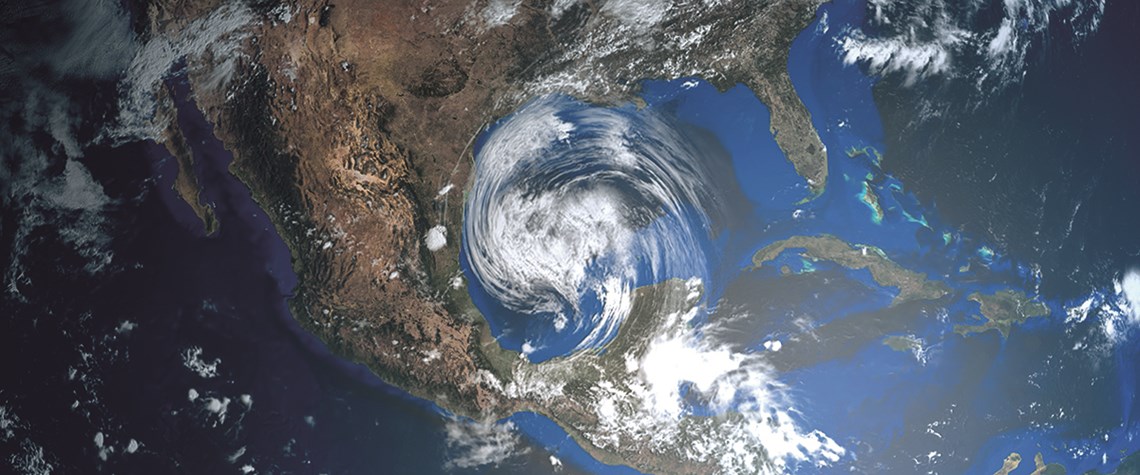
The flooding has finally receded. The cleanup has begun. Houston, America's oil capital, and much of Texas will be counting the cost of Hurricane Harvey in the months and years to come. Energy markets too are taking stock of the damage. Harvey took aim at the heart of the American energy complex, which has undergone a building boom since the last major storm hit the region a decade ago. Billions of dollars have been spent on new pipelines, pumping stations, refining facilities, ports, liquefied natural gas export plants and oilfields to link surging output with markets at home and abroad. It has turned the Gulf Coast into a vital hub of production and refining for the global oil and gas trad

Also in this section
5 March 2026
Gas is a central pillar of Colombia’s energy system, but declining production poses a significant challenge, and LNG will be increasingly needed as a stopgap. A recent major offshore gas discovery offers hope, but policy improvements are also required, Camilo Morales, secretary general of Naturgas, the Colombian gas association, tells Petroleum Economist
4 March 2026
The continent’s inventories were already depleted before conflict erupted in the Middle East, causing prices to spike ahead of the crucial summer refilling season
4 March 2026
The US president has repeatedly promised to lower gasoline prices, but this ambition conflicts with his parallel aim to increase drilling and could be upended by his war against Iran
4 March 2026
With the Strait of Hormuz effectively closed following US-Israel strikes and Iran’s retaliatory escalation, Fujairah has become the region’s critical pressure release valve—and is now under serious threat


