


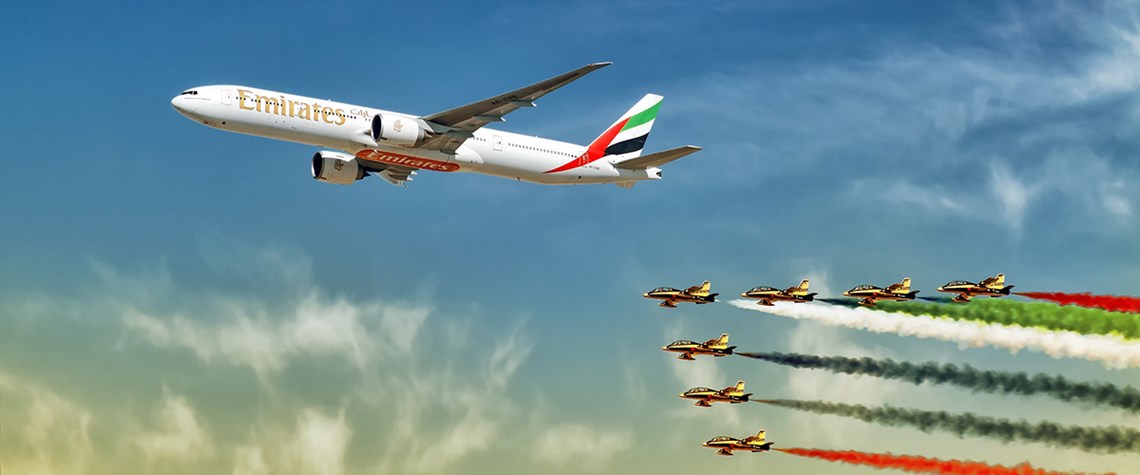
Many wings over the Gulf
The GCC/Qatar crisis is only the latest and most serious case of Gulf oil producers putting sovereignty above regional integration
There was a day when Gulf Air—tayran al-khalij in Arabic, which literally means 'the airline of the Gulf'—was just that. Or nearly. In the final decades of the last century, Gulf Air was a joint venture involving the governments of Bahrain, Abu Dhabi, Oman and Qatar. Not a bad base to build on. The formation of the Gulf Cooperation Council (GCC) in 1980 had led to hopes that the national airlines of Kuwait and Saudi Arabia would come under the Gulf Air umbrella—providing an obvious early success story for the new regional grouping of oil producers. Not only did those two states fail to sign up, but over the space of a few years Qatar, Abu Dhabi and Oman pulled out of the joint venture, leavi

Also in this section
13 March 2026
Brussels is again weighing a cap on gas prices amid the Hormuz crisis, but the measure could backfire by deterring the LNG cargoes Europe urgently needs
12 March 2026
Emergency oil stocks provide a last line of defence to oil market shocks, so the IEA’s unprecedented 400m bl release represents something of a double-edged sword
12 March 2026
LPG could rapidly expand access to clean cooking across Africa and prevent hundreds of thousands of deaths from indoor air pollution each year, but infrastructure shortages and regulatory barriers are slowing investment and market growth
11 March 2026
Missiles over Dubai and disruption in Hormuz are testing the emirate’s reputation—and shaking the energy hub at the centre of the Gulf economy


