


Transition time in the Gulf
Fearful of American shale and electric cars, GCC states want to lessen their oil-revenue dependence
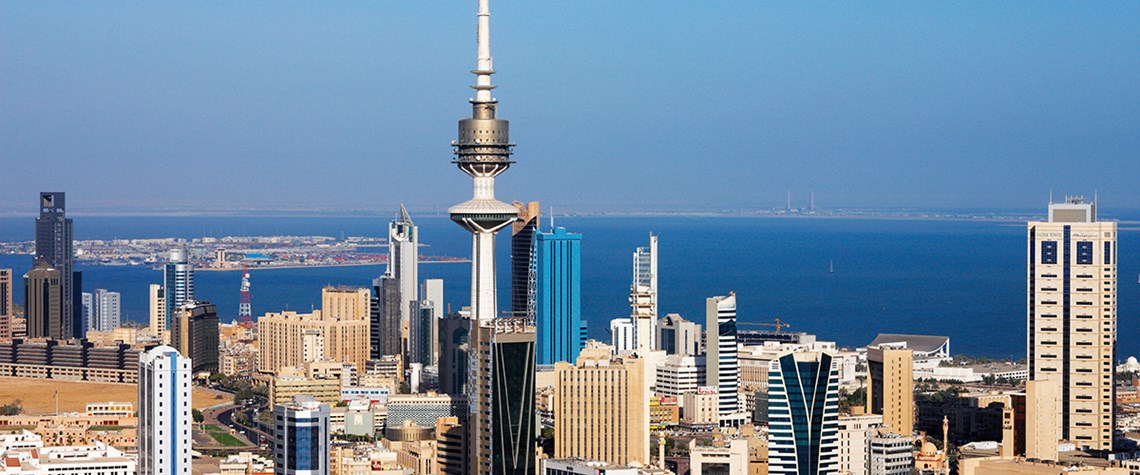
Kuwait has become the latest Gulf state to launch an ambitious plan to diversify its economy away from dependence on oil. "New Kuwait", a development strategy up to 2035, comes hard on the heels of Saudi Arabia's Vision 2030, launched in 2016. Among the aims of New Kuwait is to boost foreign-direct investment and expand the role of the private sector. Planned mega-projects in the coming decades aim to more than triple the country's revenue, from KD13bn ($42bn) to KD35bn, in 2035. That Gulf Cooperation Council (GCC) states need to move away from a reliance on income from hydrocarbons has been obvious for years, and the collapse of oil prices after 2014 has only reinforced that. Kuwait's lates

Also in this section
13 March 2026
Brussels is again weighing a cap on gas prices amid the Hormuz crisis, but the measure could backfire by deterring the LNG cargoes Europe urgently needs
12 March 2026
Emergency oil stocks provide a last line of defence to oil market shocks, so the IEA’s unprecedented 400m bl release represents something of a double-edged sword
12 March 2026
LPG could rapidly expand access to clean cooking across Africa and prevent hundreds of thousands of deaths from indoor air pollution each year, but infrastructure shortages and regulatory barriers are slowing investment and market growth
11 March 2026
Missiles over Dubai and disruption in Hormuz are testing the emirate’s reputation—and shaking the energy hub at the centre of the Gulf economy


